
Commercial Pest Control Programs in Whatcom County
A commercial program is not a residential visit performed more often. Device placement is mapped, every visit produces a record that stands on its own, and the work is scheduled around your operation. For inspected and audited businesses, the documentation is part of the deliverable rather than an extra.
Call 360-410-2199 Request a free inspection
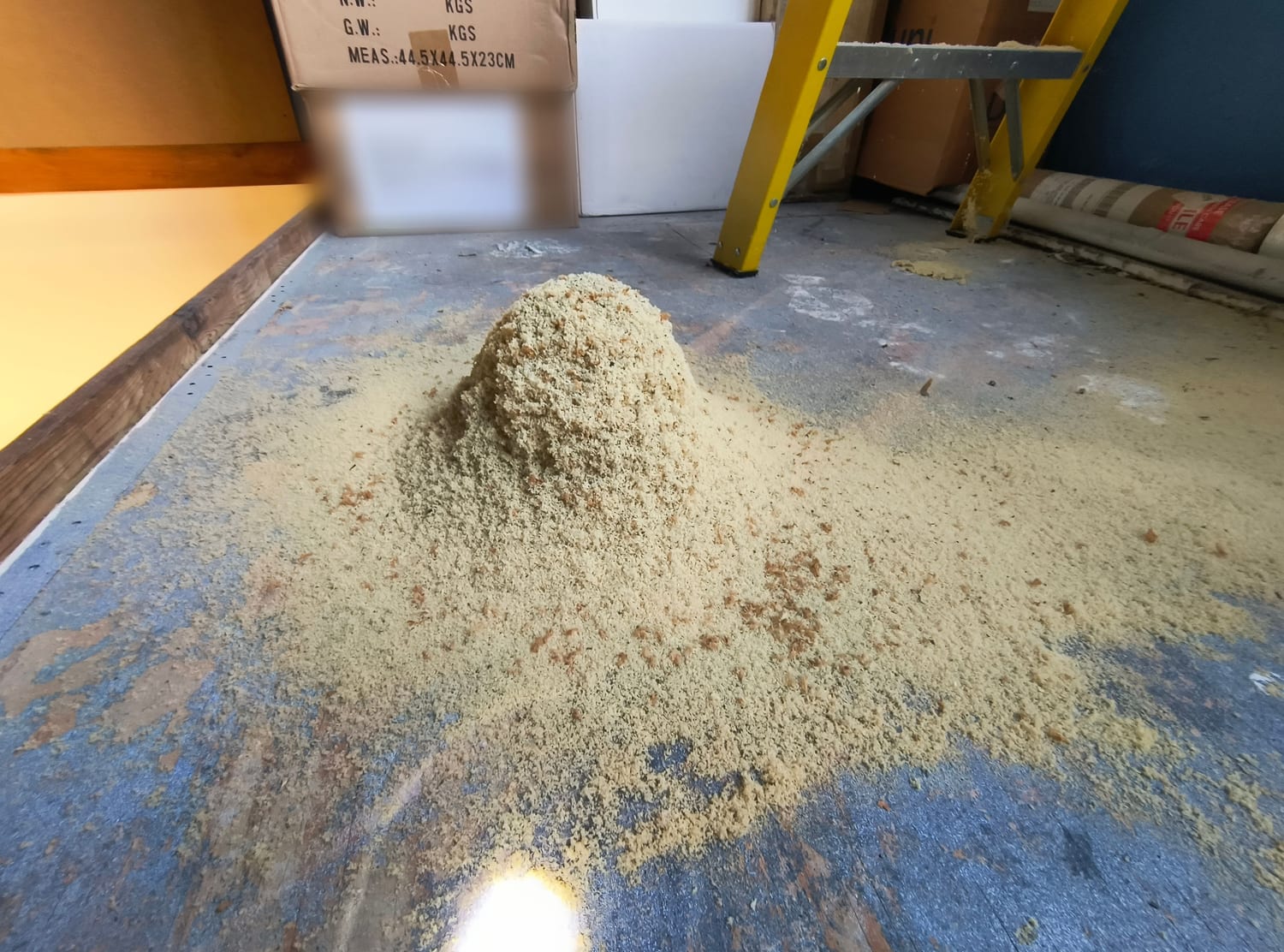
Commercial: the job at a glance
| What it covers | Recurring pest programs for businesses, with mapped devices and a written record of each visit |
|---|---|
| Included | Service reports, a device map, trend data, a corrective action log and staff training, built in |
| Not included | The corrective items on your side, such as door seals, drain servicing and waste handling |
| Scheduling | Before opening or after close where the operation needs it, set at the start |
| Contract | No long-term contract; the agreement states the schedule, scope and a short notice period |
| What it costs | Priced from the site; the site assessment and the written program are free |
What a commercial program actually is
The distinction worth understanding before comparing quotes: a commercial pest program is not the residential service performed more frequently. It is a different product.
The service is documented rather than performed. Every visit produces a record of what was inspected, what was found, what was done, and what needs attention on your side. That record is the thing an inspector, an auditor or an insurer asks for, and it is the reason the program exists in the form it does.
Devices are mapped rather than placed. Monitors and stations have numbered positions on a site map, so anyone can see the layout without taking a technician’s word for it, and so trend data means something over time.
The scope covers what a home program never touches. Loading docks and roll-up doors, waste enclosures and the pad beneath them, utility chases between units, product and feed storage, floor drains, mechanical rooms, and the exterior perimeter as a system rather than a wall.
And it runs on your schedule. For food service, retail and healthcare that usually means before opening or after close, and it is set at the start rather than negotiated every visit.
Integrated pest management, in practice
The term gets used loosely, so here is what it actually means on a site rather than in a brochure. The EPA’s introduction to integrated pest management sets out the same sequence we work to — identify the pest, watch the numbers, act on the conditions, and reach for a product only when the situation warrants one.
Inspection and identification first. What is present, where, and in what numbers. Species drives everything downstream, and a program built on “we spray the perimeter monthly” is not a program.
Monitoring with thresholds. Devices placed to tell us whether pressure is rising or falling, and an agreed level of activity that triggers action. Monitoring is what makes the difference between responding to a complaint and seeing a trend three weeks earlier.
Non-chemical measures before chemical ones. Exclusion, sanitation correction, harborage removal, drain servicing, waste handling, and physical device work. These do most of the durable work in a commercial setting, and they are where a program earns its money.
Targeted application where it is warranted. Placed where the biology says, in the quantities the situation justifies, recorded with product, rate, location and technician.
Documentation of everything, including the recommendations on your side.
Review. Trend data looked at over time rather than each visit treated as isolated, so a recurring issue in one area gets structural attention instead of a repeated treatment.
The record, which is half the service
Device-level history, where an account takes the add-on. Sensors on the traps and stations report how many interactions each device recorded and when, and a trap that fires notifies us so a technician can be sent out rather than the device waiting for the next scheduled day. See remote rodent monitoring.
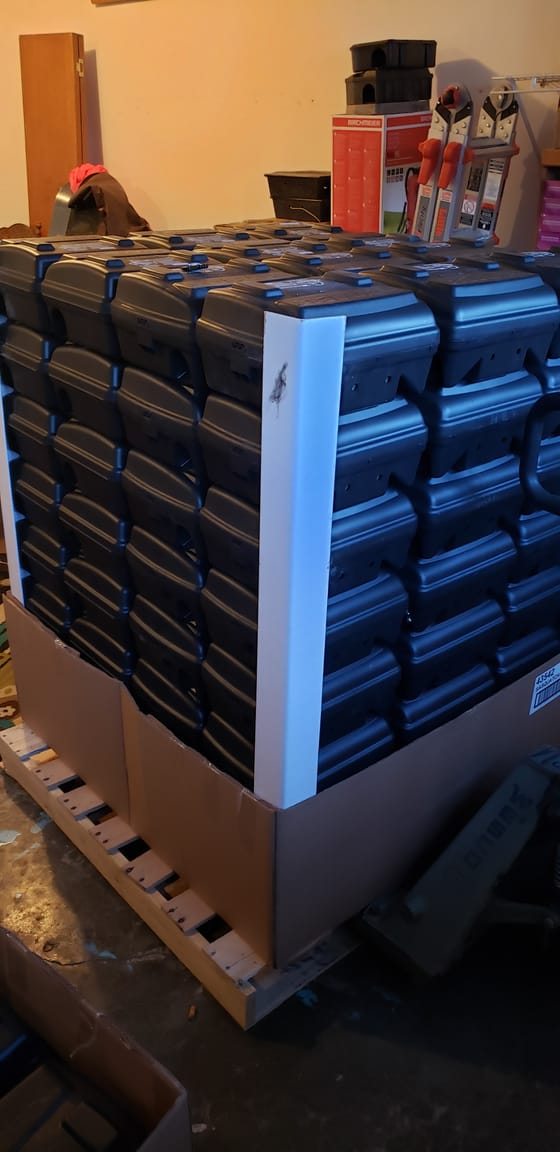
Worth spelling out, because “we provide documentation” means very different things at different companies.
Service reports for every visit: date, technician, areas inspected, findings by location, actions taken, materials used with rates and target sites, devices serviced, and recommendations with responsibility assigned.
A device map showing numbered positions for every monitor and station, updated when anything moves, so an auditor can walk the site against the map.
Trend data — activity by device and by area over time, which is what turns a stack of visit reports into something you can actually manage from.
Material records — labels and safety data sheets available on site, with application records that satisfy the reporting your sector requires.
Corrective action log — the things on your side, written down, dated, and tracked rather than mentioned in passing to whoever happened to be at the door.
The test we hold ourselves to: if an inspector or auditor asks for the pest control file and you hand it over without calling us for an explanation, the documentation is doing its job.
Where the pressure actually is
Across sectors the same handful of points account for most commercial pest problems, and most of them are structural rather than about cleanliness.
Doors. Dock doors and roll-up doors that do not seal at the bottom corners, exterior doors with worn sweeps, and doors propped open during deliveries or prep. This is the single most common entry route on commercial sites.
Drains. The organic film inside floor and sink drains is the most consistently under-serviced pest source in any commercial kitchen, and it is where drain and phorid flies breed. A drain maintenance routine is usually the highest-value line on a food service program.
Waste. Dumpster placement, lid condition, collection frequency, and whether the pad beneath it is ever washed. A dumpster on an unwashed pad produces flies indefinitely regardless of what happens indoors.
Deliveries and cardboard. Corrugated cardboard is how cockroaches and pantry pests arrive on most sites. De-boxing at the dock rather than carrying cartons into storage removes the main vector and costs nothing.
Storage. Product held on the floor rather than on racking, no clear inspection aisle around the perimeter, and stock that is not rotated.
Equipment voids. The warm space behind and beneath refrigeration, cooking equipment and compressors, where grease accumulates and nobody can reach.
The exterior. Vegetation against the building, standing water, lighting that draws insects to entrances, and gaps in the envelope. That is exclusion work, and on a commercial building it usually pays back faster than on a house.
Regulated settings
Some sectors carry specific requirements, and knowing them is part of the job rather than an add-on.
Schools and childcare. Washington has particular rules around pesticide application at schools, including notification and posting requirements. We schedule and document to meet them, and in these settings we lean harder on exclusion, sanitation and monitoring than on application wherever the situation allows.
Food handling. Whether you are under a health department inspection regime, a third-party audit scheme, or both, the expectations are broadly consistent: mapped devices, current records available on site, no unlabeled materials, and a demonstrable corrective action process.
Healthcare and senior living. Occupancy constraints, vulnerable residents, and residents who may not report bites or activity — which makes scheduled inspection more valuable here than almost anywhere. Preparation for treatment also has to be built into the service rather than handed to an occupant.
Multifamily and HOA. Shared walls and utility chases mean the building is the unit of work rather than the apartment, and responsibility between owner, manager and tenant is set by Washington’s landlord-tenant rules. We will say plainly who we think needs to be in the conversation.
Agriculture and food processing. Product protection, rodent and fly pressure at scale, and record-keeping that supports the buyer requirements a producer already operates under.
Getting started
A walk of the site, and for anything larger than a single storefront it takes a while, because most of what matters is not where the activity is but where the access is.
A written program covering scope, frequency, what happens on each visit, the device map, the areas included, and the things on your side that will make or break the result.
Then we run it, and adjust it when the site tells us to rather than when the calendar does.
There is no long-term contract requirement. The agreement sets out the schedule, the scope and a short notice period.
Which businesses we work with
The vertical detail sits on our commercial hub, which covers the specific pressures for dairy and agriculture, berry and food processing, marinas and the working waterfront, restaurants and food service, schools and childcare, healthcare and senior living, retail and grocery, multifamily and HOAs, property management, government and municipal buildings, and solar arrays.
The common thread across all of them is that the record matters as much as the result, and that the highest-value work is usually structural rather than applied.
Around the county
Downtown and Fairhaven. Restaurants, bars, retail and offices in older masonry buildings with shared walls, basements and service alleys. Drains, deliveries and waste handling dominate, and the buildings themselves supply plenty of harborage.
The Guide Meridian and Bakerview corridors. Newer retail, grocery, food service and light commercial. Better-detailed buildings, so the work concentrates on doors, docks and waste rather than on structure.
The working waterfront. Squalicum Harbor and Blaine, where rodents around moorage, gear storage and processing are the recurring issue, the population belongs to the facility rather than to any one owner, and salt exposure means exclusion has to be specified to survive it.
The agricultural north. Lynden, Everson, Nooksack and Sumas, where dairy, berry and processing operations bring rodent and fly pressure at a scale residential work never encounters, and where the buyer and biosecurity requirements shape the program.
Institutional Bellingham. Schools, healthcare, senior living and municipal buildings, where notification requirements, occupancy and appearance standards set the constraints.
What it costs
Priced from the site rather than from a table, because the variables are real: square footage, sector, how many exterior doors and docks, the number of devices the site warrants, service frequency, and how much documentation your sector requires.
Two honest points about the money.
Exclusion usually beats frequency. A site with door sweeps fitted, a dock seal replaced and a waste pad that gets washed needs less service than one without, and we would rather set that up than sell more visits to manage an open building.
The cheapest program is rarely the one that survives an audit. A monthly perimeter spray with a signature on a docket is inexpensive and does not produce the record your sector expects. If you are comparing quotes, compare what the documentation actually contains.
The site assessment and the written program are free.
What we ask of you
A commercial program is a shared job, and being explicit about the split saves argument later.
Access. To the areas on the program, at the agreed times, including locked rooms, mechanical spaces and roof access where devices sit. A visit that cannot reach half the site produces half a record.
A point of contact who receives the report and can action the corrective items. Reports that arrive at an unmonitored inbox achieve nothing.
The corrective actions on your side. Door seals, drain servicing frequency, waste handling, storage off the floor, and the inspection aisle around the perimeter. These are the items that decide the result, and they are outside our control.
A pest sighting log that staff actually use. The people in the building every day see things a technician on a schedule does not, and a log with dates and locations is genuinely the most valuable single input to a program.
Notice of changes. A new supplier, a layout change, construction next door, a new waste contractor, a renovation — all of these change pest pressure, and knowing in advance is cheaper than discovering it.
We will tell you plainly when a recurring problem is on your side of that line. It is not a way of deflecting; it is the only way the problem gets fixed.
Staff training
Frequently the highest-return part of a commercial program, and the part most often left out.
The people in your building all day are the detection system. Trained to know what to look for — droppings and where they indicate, gnaw marks, grease rub marks, signs in received product, drain conditions, door seal failures — they will find things weeks before a scheduled visit would.
For food handling and hospitality this is usually a short session covering what to look for, what to record, what to do immediately, and what not to do — the last being important, because a well-meaning staff member with a can of consumer insecticide can turn a contained cockroach problem into a building-wide one.
For senior living and healthcare it also covers reporting, since residents may not report activity themselves.
We build this in rather than charging separately for it, because a site where staff report early is a cheaper site to service.
Reporting and communication
The part that determines whether a program is useful to you or just happening around you.
After every visit you get the service report, promptly rather than at month-end, with findings by location and any corrective items flagged.
Monthly or quarterly, depending on the site, a summary that shows the trend rather than the incident — device activity by area over time, what changed, what is improving and what is not. This is what turns service into management information.
Immediately, when something warrants it. A rodent entry point discovered during a routine visit, or activity in a sensitive area, should reach you the same day rather than appearing in a report you read next week.
Annually, a review of the whole program — whether the frequency is right, whether the device layout still matches how the site is used, and whether the corrective actions have been done. Sites change, and a program that has not been reviewed in three years is usually servicing a building that no longer exists in that form.
What we will tell you that others may not
When the frequency is too high. If a site is quiet across every device for a sustained period, we would rather reduce the schedule than keep billing it. That is a genuinely uncomfortable conversation in this industry and it is the right one.
When the problem is structural. A recurring issue at the same dock door is a dock door problem. We will keep saying it in writing until it is fixed or until you tell us to stop.
When it is somebody else’s trade. A persistent phorid fly population in a kitchen frequently means a broken drain line under the slab, and no amount of pest service resolves it. That is a plumber, and we will say so rather than servicing around it indefinitely.
When a cheaper program would serve you as well. Not every site needs the documentation load that an audited food facility does, and selling that specification to a small retail unit is overselling.
And when we are not the right fit. Some national accounts require a vendor footprint we do not have. We would rather say that at the quote stage than take work we cannot service to the standard the account expects.
Getting a program started quickly
For a site with an active problem rather than a preventive need, the sequence compresses.
Same-week assessment where it is urgent, because an active rodent or cockroach issue in a food business is a trading risk rather than an inconvenience.
Immediate stabilization. Deal with what is happening now — treatment, trapping, device placement — while the fuller program is being written.
The structural findings in writing on day one, so the items on your side can start in parallel rather than after we finish.
Then the ongoing program, set at a frequency that reflects the site rather than a default.
That order matters when an inspection is imminent or a complaint has already been made, and it is worth saying that a program started in a crisis is more expensive than one started in a quiet month — not because we price it differently, but because the population is larger and the corrective work is more urgent.
Small businesses, not just large ones
Worth saying plainly, because commercial pest control is often presented as something for facilities with a compliance department.
A single café, a small retail unit, a two-person office above a shop or a family-run store does not need the documentation load of an audited food plant, and quoting them that specification is overselling. What they usually need is a sensible schedule, an honest look at doors and waste, and a record that satisfies a health inspection.
That is a modest program and we price it as one. The same principles apply — inspection first, structure before spray, findings in writing — at a scale that fits the business.
If you are a small operator who has been quoted a program that felt built for somebody much larger, it is worth getting a second view.
Related work
The vertical-by-vertical detail is on the commercial hub. The structural half of most commercial programs is exclusion and repairs. The recurring species work sits on rodent control, cockroach control and fly control. For homes rather than businesses, see the year-round home protection plan.
Frequently asked questions
What makes a commercial program different from residential service?
Documentation, device mapping, scheduling and scope. A record of what was found and done at each visit, a map showing where every device sits, work timed around your operation rather than ours, and coverage of areas a home program never touches — docks, waste enclosures, utility chases, product storage.
Will your records hold up in a health inspection or a third-party audit?
That is what they are written for. Service reports, device maps, product and application records, trend data over time, and the corrective actions recommended on your side. If an auditor asks for the pest control file, it should answer without a phone call to us.
Can you work outside our operating hours?
Usually. Food service, retail and healthcare are commonly serviced before opening or after close, and we build the route around the window you give us. Tell us the constraint at the start and it becomes part of the program rather than a recurring negotiation.
Do you require a long-term contract?
No. Commercial programs are recurring because pest pressure is recurring, but there is no multi-year lock-in. The service agreement states the schedule, scope, frequency and a short notice period, and that is the whole document.
What if we fail an inspection because of a pest issue?
Call us and we will get there. More usefully, most inspection findings are things we should have flagged in advance — a door that does not seal, a drain that needs servicing, waste stored too close to the building. Those go in writing on every visit precisely so they are dealt with before someone else finds them.
Do you treat while we are open?
Only where it is appropriate and safe to do so. A great deal of commercial work is inspection, monitoring, device servicing and exclusion, none of which requires application. Where treatment is needed in an occupied space, it is scheduled around occupancy.
Guides
A restaurant vent, before and after
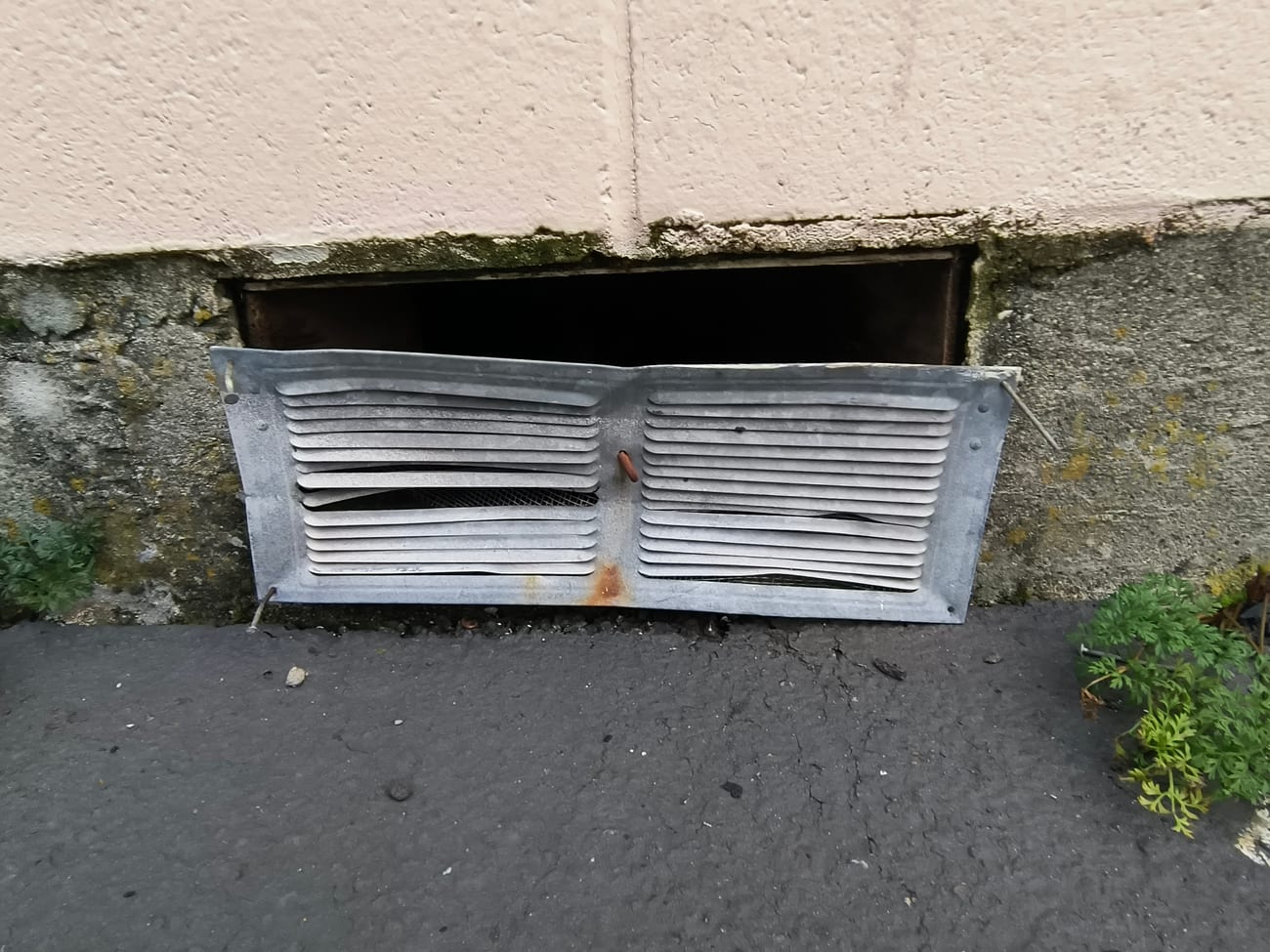
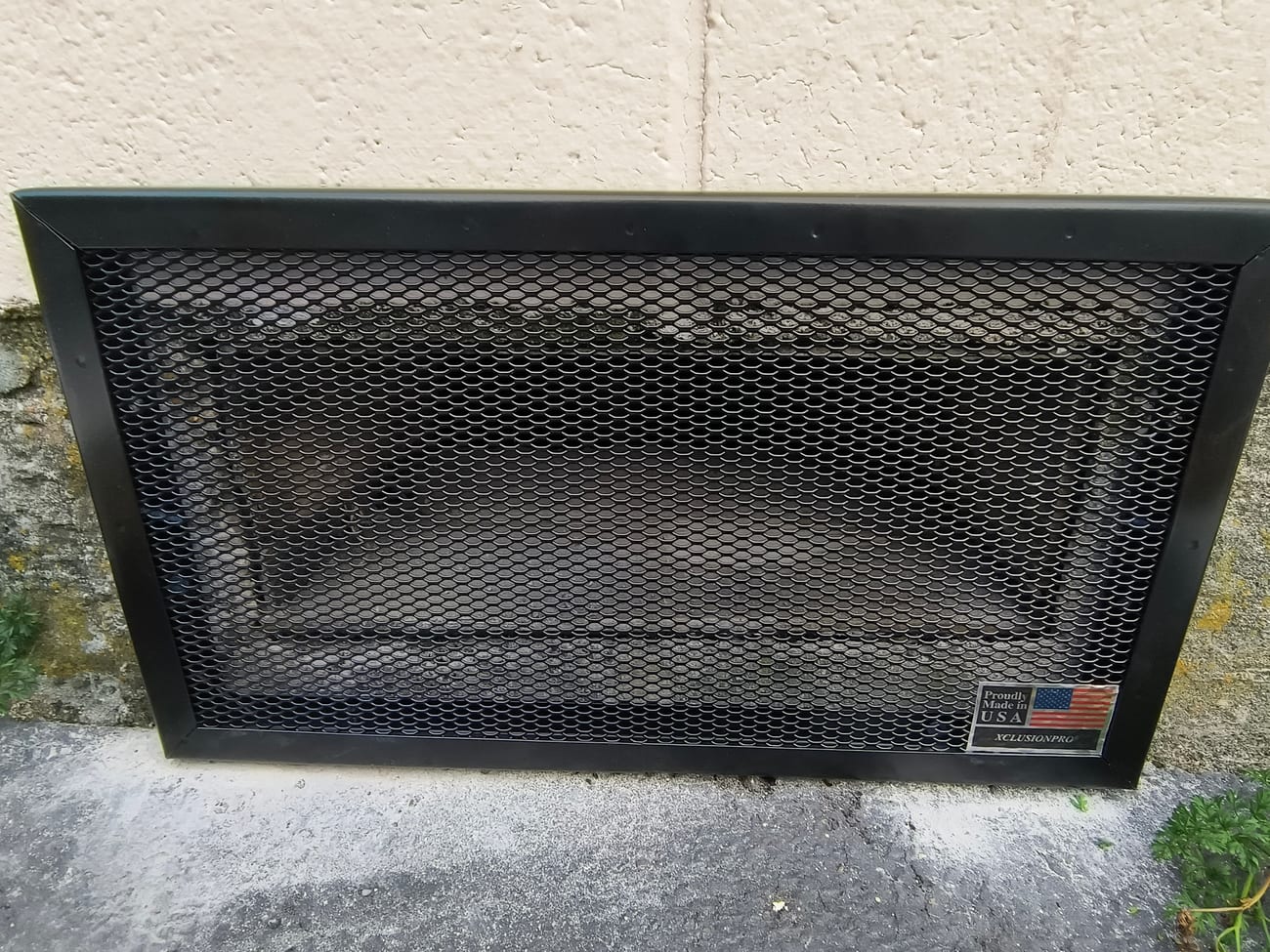
The same vent at a restaurant, before and after. A louvered vent is a weather part, not a rodent part: the blades bend, the corners open, and the gap that lets a mouse in is the one nobody looks at because the vent still appears to be there. The guard is a steel frame and heavy mesh screwed to the concrete, and it leaves the opening doing its job — a crawlspace needs the airflow, so the answer is never to block the vent.
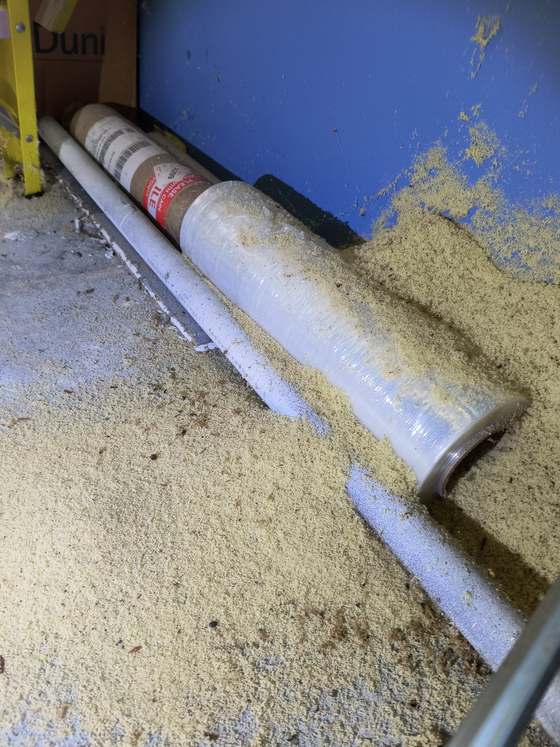
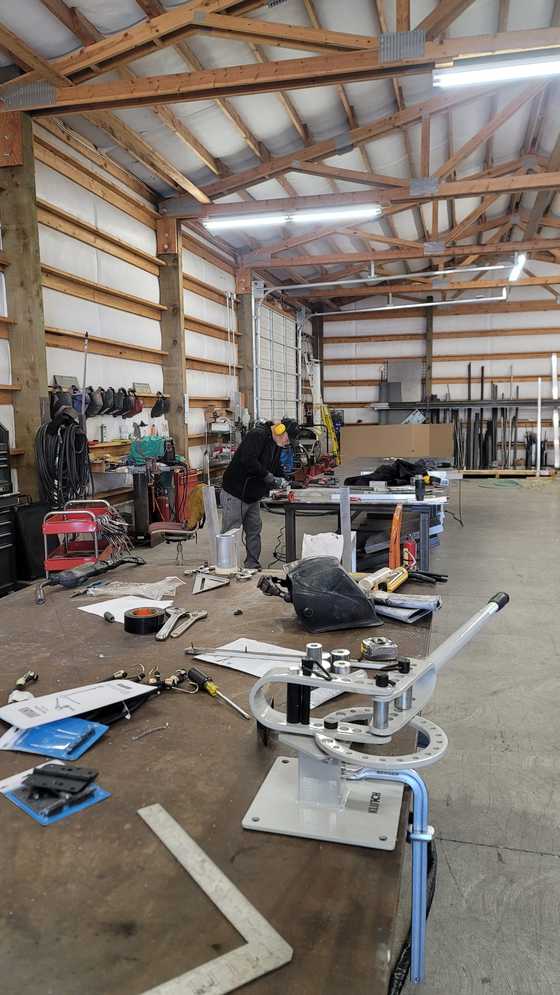
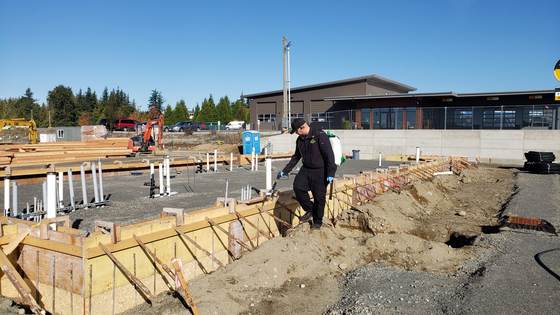
Commercial work: 4 photographs from real jobs
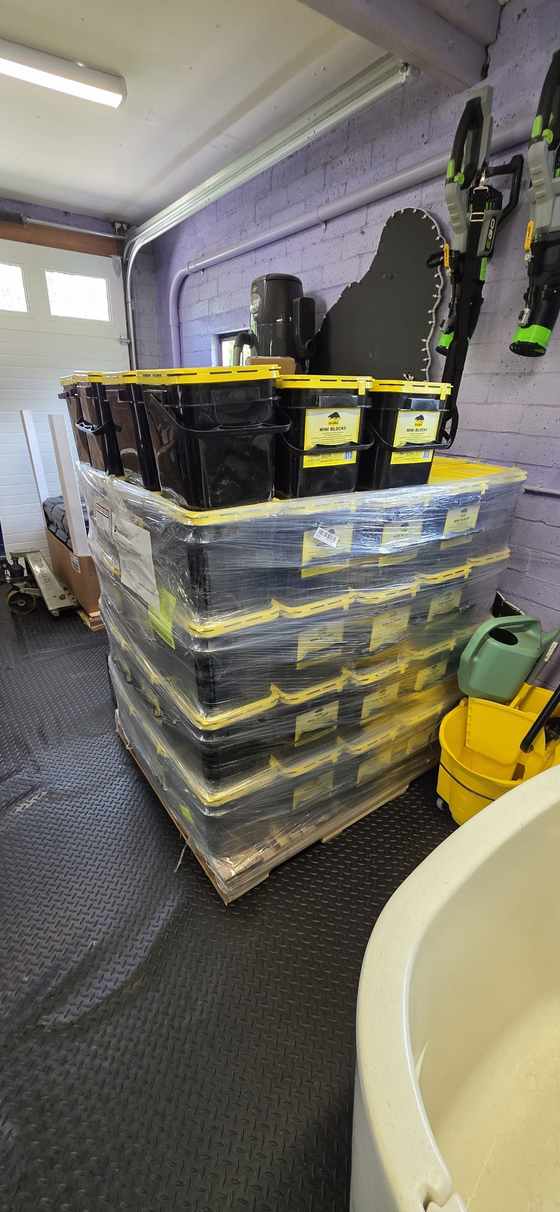
Every one of these was taken on a job in Whatcom or Skagit County by whoever was doing the work. Stock photography is close to universal in this trade and a reader has no way to tell by looking, which is the only reason it is worth saying out loud. The rest of the archive is on the gallery.
Commercial Pest Control in Whatcom County?
Family-owned, no long-term contracts, and every treatment is backed by our 100% Service Guarantee.
Most calls in Whatcom County are out within 1–2 days, about 3 during the late-summer peak.
Last updated