
The Commercial Pest Year in Whatcom County
Commercial pest pressure in Whatcom County runs on the same calendar as everything else, but the consequences land differently: a sighting becomes an inspection finding, an audit nonconformance or a closure. The work that decides how a facility's autumn goes happens in July and August, and the records that answer for it are built all year.
Call 360-410-2199 Request a free inspection
The short version
| Food plant rule | 21 CFR 117.35 is written around excluding pests from food plant areas, with pesticides used only under restrictions |
|---|---|
| What an auditor tests | Whether the facility has a system, whether it produced trend data, and whether anyone acted on that data |
| Keeping records | Hold your own copies; twelve months is the usual working minimum in food service |
| Envelope months | Late July and August for dock seals, door sweeps, metal vent screening, roofline openings and utility penetrations |
| Hardest season | Autumn, when rodents and overwintering insects push through the building envelope in the same six weeks |
| Route with no season | Stored-product pests and cockroaches ride in on product, packaging, corrugate and pallets on any delivery day |
| Maintenance gaps | Dock seals, sweeps, waste placement and open penetrations go in writing on every visit for facilities to fix |
| Term agreement | Not required for commercial or institutional accounts; scope, scheduling and records are agreed up front |
What is different about a commercial year
The organisms are the same ones a house gets. The calendar is the same calendar. What differs is the building and what happens when something is seen.
A commercial building has more perimeter, more openings, and more doors held open by people doing their jobs. It receives deliveries, and deliveries arrive on pallets and in corrugate that have been sitting somewhere else. It runs warm at night. It stores food, or packaging, or paper, or all three. And it usually has several organizations touching it — an operator, a landlord, a facilities contractor, a cleaning company — which means the gap that lets a rodent in is frequently nobody’s item on nobody’s list.
Then there is the consequence. In a house, a mouse is a nuisance. In a restaurant it is a health department finding. In a food plant it is a nonconformance in an audit that a customer contract depends on. In a care setting it is a licensing matter. In an apartment building it is a habitability question with a statute behind it. The organism did not change; the cost of it being seen did, by orders of magnitude.
That asymmetry is why commercial pest management is organized around prevention and paperwork rather than around response, and why the season that matters most is the one where nothing is wrong yet.
The documentation question, taken first
Everything else on this page is easier to plan once this part is settled, so it goes at the front.
The requirement exists in federal rule for food facilities. 21 CFR 117.35, the sanitation section of the current good manufacturing practice regulation, states plainly that pests must not be allowed in any area of a food plant, that effective measures must be taken to exclude pests from manufacturing, processing, packing and holding areas and to protect against contamination of food on the premises, and that pesticides may be used only under precautions and restrictions protecting food, food-contact surfaces and packaging materials. Note the verb in the middle of that: exclude. The rule is written around keeping pests out of the building, not around treating them once they are in.
Penn State Extension’s summary of the pest management expectations under the Food Safety Modernization Act lands in the same place — exclusion of pests from fully enclosed buildings, measures to prevent establishment where a structure is only partly enclosed, and routine monitoring.
A third-party audit goes further than the rule, and asks to see the system. The pest management standards published for food processing and handling facilities, which are the reference point most auditors work from, set out what a documented program looks like. A service record is expected to carry the product used with its registration number, the target pest, the rate or concentration, the time, the location, the quantity of finished product, the date, and signatures from both the technician and the facility. Monitoring devices are placed to a spacing and inspected on a stated frequency, interior devices more often than exterior. And — the part facilities most often miss — the data those devices produce is expected to be trended and passed to whoever coordinates the program so that somebody can act on it.
The practical translation is that an auditor is not really auditing the pest control company. They are auditing whether your facility has a system, whether the system produced information, and whether anybody did anything with it. A folder of visit slips with no trend and no corrective action satisfies the first of those three and fails the other two.
What we can supply and what we cannot. For general pests we provide a written record of each visit and the treatment performed, in a form that goes into your file and stands up to being read by somebody who is not a technician, along with device placement and the results over time.
There is one category where the answer is different and it is worth being exact about, because facilities ask for it. A document identifying damage or infestation by wood-destroying organisms is a regulated report in Washington, with its own required contents, written by a licensed structural pest inspector. We do not produce that document and will not offer one under a different name. What we hold authorizes treatment of what such a report identifies, and the records we supply describe the treatment we performed.
Retention. Keep your own copies rather than relying on the contractor’s. Twelve months is the common working minimum in food service; longer is cheap and occasionally decisive. For schools and licensed day cares, Washington’s own notification and record requirements sit on top of everything above, and are set out separately in pest control in Washington schools.
January and February
Quiet outside, busy inside, and the best two months for administration.
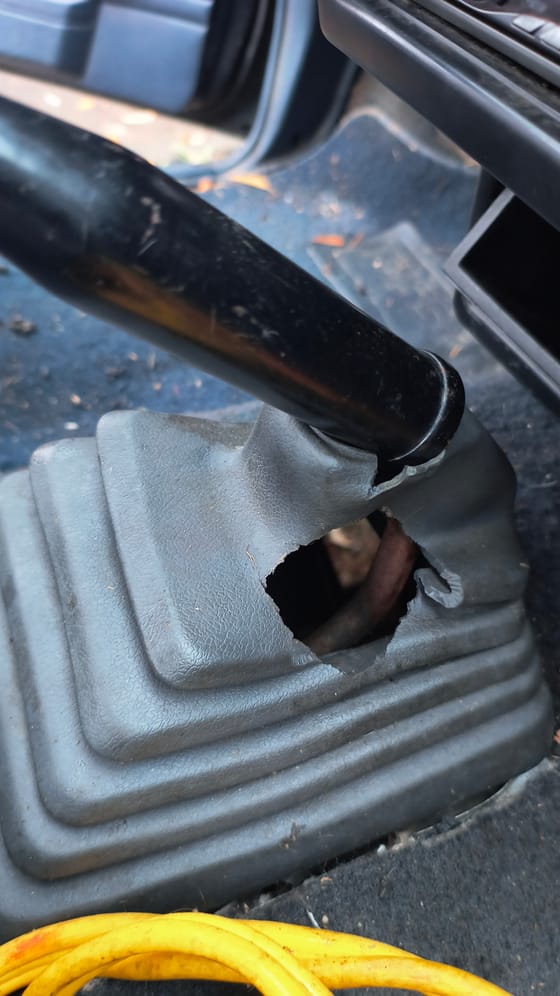
Nothing new is arriving. What surfaces now is the autumn’s population making itself known: rodents established in a service void or a ceiling space, and overwintering insects roused by a warm spell or by the heating running, emerging at upper windows and in offices. Neither is a new arrival, and treating them as one leads to spending in the least productive month of the year.
German cockroaches in a commercial kitchen do not care what month it is. They live in warm, food-rich equipment year-round, and a winter uptick usually means a sanitation or harborage change rather than a season.
Stored-product pests get discovered now, because winter is when somebody finally pulls the shelving and counts the stock. The infestation established in September.
Ahead of the season: this is the planning window. Confirm the records are complete and where somebody could find them under pressure. Review last autumn’s monitoring data as a whole rather than visit by visit — the trend is the deliverable, and January is when there is time to read it. Put the summer exclusion work in the budget while the reason for it is still fresh, because by the time it is obviously needed again it will be too late to fund.
March and April
The ground warms and the outdoor pressure resumes.
Ants become active, and the second and larger wave follows heavy rain rather than warmth — shallow outdoor nests flood and the colony relocates to somewhere drier, which is often a wall. Break rooms, staff kitchens and any area with a drink station take these first.
Wasp queens emerge and begin founding nests, each one a single insect building something small. On a commercial site the places they choose are predictable: under signage, inside electrical and utility cabinets, in the recesses around dock canopies, under handrails, and in the untended strip between a fence line and a parking area.
Overwintering insects that survived the winter try to leave, producing a final flurry of indoor sightings that reads as a new problem.
Ahead of the season: walk the grounds for founding nests, and get them dealt with while each is one insect rather than a colony. Ten minutes with a flashlight around signage and cabinet doors in April removes most of the late-summer sting risk on a commercial property. This is also the month to schedule the exterior work for summer, before every contractor’s season fills.
May and June
The dry ground months, and the only practical window for groundwork.
Insect populations build. Fly pressure rises around waste areas and drains as temperatures climb, and drain-breeding flies in particular are a sanitation problem that treatment alone will not hold. Deliveries increase across most sectors, and delivery volume is the single largest route by which stored-product pests enter a warehouse or a grocery back-of-house.
The ground dries out, which matters more than it sounds. Grading, drainage, downspout discharge, dumpster pad work and anything involving a trench is practical now and is not practical in December.
Ahead of the season: the groundwork. Move the dumpster pad if it is too close to the building, fix the drainage that has been pooling against the foundation since October, and have the drains cleaned rather than treated. Confirm that the waste contractor’s schedule matches your actual volume in summer rather than your volume in February. Book the exclusion work now for July or August.
July and August
The most important eight weeks in the commercial year, and the ones when nothing appears to be wrong.
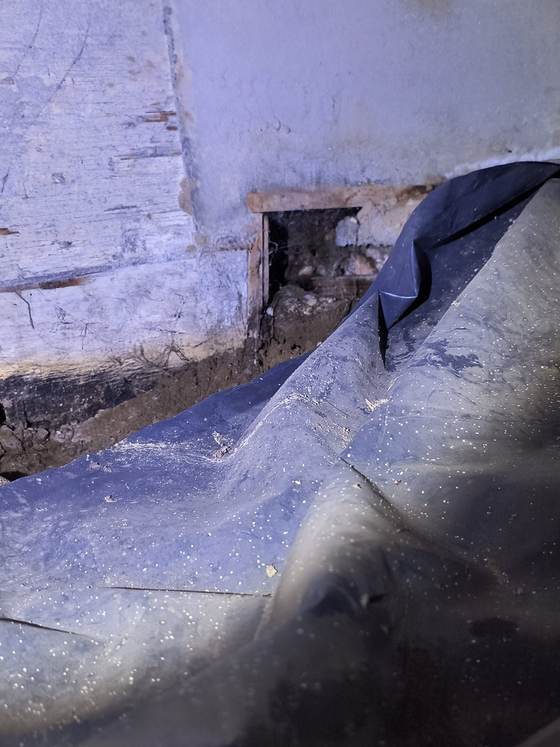
Wasp and yellowjacket colonies grow steeply, and their foraging shifts toward sugar through August, which is when they arrive at outdoor seating, bins and loading areas. Fly pressure peaks. Ants may come indoors for water during a dry stretch, which is why a spotless kitchen gets a trail in August with nothing left out. Rodent pressure has not started, and that is exactly the point.
Ahead of the season — this is the paragraph to act on: the entire autumn is decided here.
Dock door seals, dock leveler pits and vehicle bumpers, which are the highest volume rodent entry on most facilities. Door sweeps on every exterior door, particularly delivery and kitchen doors where they wear fastest. Vent and louvre screening in metal. Roofline, soffit and roof-penetration openings closed before overwintering insects arrive. Utility penetrations sealed where services pass through walls. The grounds walked for ground nests before autumn landscaping finds them the hard way. And any exterior treatment aimed at overwintering insects, which works applied before they move in and does very little afterward.
Every item there is cheaper, easier and more effective in August than at any other point in the year, and every one of them prevents a call somebody will otherwise make in November.
September
Everything arrives at once, and the audit calendar tends to arrive with it.
The rodent push begins as nights cool. Outdoor cover dies back, natural food declines, and a heated building with a quarter-inch gap becomes a considerably better proposition than it was in July. Spiders reach maturity and start walking, which on a commercial site is a cosmetic and complaint problem rather than a real one. Yellowjacket colonies reach maximum size and maximum defensiveness in precisely the weeks when outdoor work is happening.
In Bellingham specifically, the student return concentrates turnover, travel and second-hand furniture into a few weeks, which lands on multifamily operators and on anybody running furnished accommodation.
Ahead of the season: if the summer work did not happen, do it now anyway — September is worse than August and far better than November. Check the building before sealing it. Closing a structure that already has a population inside is the one mistake that reliably makes things worse, and it is the mistake most commonly made by a facility reacting late.
October and November
The peak of the indoor year, and the point at which prevention has closed.
Rodent pressure is at its height and stays there. Overwintering insects move into wall voids, soffits and ceiling spaces, and the walls go quiet again until the heating wakes them. Wasp colonies collapse with the first hard frosts, and nests found now are almost always finished.
Heating comes on, which changes the interior environment and starts the cycle of insects emerging into occupied space on warm days.
Ahead of the season: respond rather than prevent, because the prevention window has shut. Increase monitoring frequency at the perimeter and at receiving rather than everywhere. Trap before sealing. And write down what happened and where, in enough detail to be useful in July — that note is the entire input to next summer’s scope, and it is the thing most facilities fail to keep.
December
Settled in, and quiet in a misleading way.

What is inside is inside, and it does not decline seasonally because the building supplies what the weather does not. Holiday trading raises waste volume and delivery frequency in retail and food service at exactly the moment when staffing is thinnest and back-of-house discipline slips. Overwintering insects appear on warm days.
Ahead of the season: hold the sanitation basics through the busiest trading weeks, and resist sealing anything with a live population behind it. If a facility closes over a holiday period, that closure is a genuinely useful window for work that is disruptive during trading, and for schools it also lines up with the statutory exemption for applications made during a closure of at least two consecutive days.
Deliveries, the route that ignores the calendar
Everything above is weather-driven. One major route into a commercial building is not, and it deserves its own heading because facilities consistently underrate it.
Stored-product pests — grain beetles, pantry moths, weevils — do not walk in through a gap in October. They arrive inside product, inside packaging, and inside the corrugate and pallets the product travels on, on whatever day the truck comes. A receiving door is a bigger risk to a dry goods store than a foundation crack, and no amount of exterior sealing addresses it.
The controls are correspondingly different. Look at incoming goods before they go into storage rather than after: damaged packaging, webbing in the corners of a case, live insects in the corrugate. Rotate stock so nothing sits long enough to support a full generation in the dark behind a pallet. Keep pallets off walls so the gap can be seen and swept. And treat a single finding in one case as a sourcing question rather than a building question, because that is usually what it is — the infestation was somebody else’s before it was yours.
Cockroaches travel the same way, in cardboard and in returnable containers, and in a commercial kitchen an introduction that arrives on a Tuesday will not wait for a season. It is the reason a food business needs monitoring that runs all year rather than a program shaped only around the autumn.
The useful mental model is two independent pressures on one building: a seasonal one arriving through the envelope, and an aseasonal one arriving through the door with a signature on it. They need different work, and a program built for only one of them has a permanent blind spot.
The same year, by facility type
The calendar above is the shape. Which parts of it hurt depends on what the building does.
Food service. The highest consequence and the strictest expectations. German cockroaches in equipment year-round, flies at drains and waste through summer, rodents from late September. The recurring failures are almost always the same three: a worn sweep on the delivery door, a dumpster too close to the building, and drains that need servicing rather than treating. Documentation needs to be current and retrievable, not filed somewhere.
Grocery and retail food. Everything above, plus stored-product pests in dry goods and a receiving door that opens all day. The valuable habit is pulling shelving on a schedule rather than when something is noticed, because webbing and frass behind a pallet is the earliest visible signal you will get.
Warehousing and distribution. Rodents at the dock and in palletized goods. Dock doors are the dominant entry route and dock leveler pits the dominant harborage. The exterior perimeter matters more here than the interior, and the single highest-value habit is keeping dock doors closed except during active loading.
Multifamily. The building is the unit of work, never the apartment. Shared walls, utility chases and a common waste area mean sealing one unit’s penetrations while the chase above stays open relocates the problem. Turnover is the opportunity: an empty unit is the cheapest time to seal, and the sequencing problem that plagues occupied buildings disappears.
Institutional and public buildings. Schools, municipal offices, libraries, community facilities. Large perimeters, doors that open all day, portables and outbuildings, and a public that notices. Schools carry their own statutory notification, posting and record requirements under Washington law, and the bait exemption within that statute is the reason a well-built school program runs on exclusion and contained bait rather than on scheduled spraying. The same standard is worth adopting in any building where children spend time.
Industrial and processing. The largest envelopes and the longest lists of penetrations. Rodent damage to wiring is a genuine downtime and fire risk rather than a talking point, and monitoring discipline is what converts a discovery in a production area into a flag at the perimeter weeks earlier.
The structural items nobody owns
A pattern worth naming, because it is where most commercial pest budgets leak.
The problems concentrate at a small number of predictable failures: a dock seal that has gone, a door sweep worn through, waste stored too close to the building, a drain that needs servicing, a roof or soffit opening that has been open for years, and a penetration in a mechanical room nobody has closed.
Every one of those is a maintenance item, not a pest control item. They usually sit outside the pest contractor’s scope, which means they get re-reported month after month while the treatment budget manages a symptom.
Our position on commercial and institutional accounts is that structural items go in writing on every visit, in a form somebody in facilities can cost and action, and that we keep raising the same dock door until it is fixed or until somebody tells us in writing to stop raising it. That is not a lever. It is the only mechanism by which a program stops being a standing charge.
The planning calendar, compressed
If a facility manager takes one thing from this page, take the sequence.
January. Read last year’s trend as a whole. Budget the summer work.
April. Grounds walk for founding wasp nests. Book contractors.
May and June. Groundwork: drainage, dumpster placement, drains, grading.
Late July and August. The envelope: dock seals, sweeps, vent screening, roofline, penetrations, grounds walk, exterior treatment for overwintering insects.
September to November. Monitor and respond. Trap before sealing. Write down what happened and where.
December. Hold the basics through peak trading. Use any closure.
Two of those months decide the year, and neither is a month in which anything appears to be wrong. That is the whole difficulty, and it is why the work needs a budget line rather than a purchase order raised in a hurry.
How we work commercial accounts
Exclusion first, monitoring second, treatment where it is warranted and not where it is not. Practically: a walk of the envelope, the waste area and receiving before anything is proposed; a program built on monitoring and contained placements rather than scheduled broadcast application; structural items written up every visit for facilities to action; records kept, handed over and legible to somebody who is not a technician; and scheduling that respects your trading hours and, in a school, the notification window rather than treating it as an inconvenience.
The assessment is free, there is no term agreement, and if what your building needs is three door sweeps, a dock seal and a conversation about where the dumpster sits, we would rather tell you that in August than sell you a schedule in November.
Related reading: commercial pest control for the service itself, pest exclusion and repairs for the work that most of this page is really about, and the Whatcom County pest year for the residential version of the same calendar.
Frequently asked questions
What pest records will a third-party food safety audit ask for?
Broadly: a service record for every visit, the placement map for monitoring devices, the results those devices produced over time, and evidence that somebody acted on what the trend showed. The NPMA standards used across the food sector set out the fields a service record is expected to carry.
Can a pest control company give me a written report of what it found?
For general pests, a service record describing the visit and the treatment performed is normal and is what we supply. For wood-destroying organisms it is different: a document identifying damage or infestation by those organisms is regulated in Washington and belongs to a licensed structural pest inspector.
Which season is actually the hardest on a commercial building?
Autumn, by a distance, because the rodent push and the overwintering insect move happen in the same six weeks and both arrive through the building envelope. Winter feels harder because that is when the activity is noticed indoors, but the arrivals happened in October.
How often should a facility be serviced?
It should follow risk rather than a standard interval. Food handling and food storage need frequent scheduled attention; a low-risk office or a dry warehouse often does not. What matters more than the interval is whether anybody is acting on what the monitoring shows.
What is the single most valuable thing a facility manager can do?
Book the exterior work for late July or August rather than October. Dock seals, door sweeps, vent screening, roofline openings and the grounds walk for ground nests all belong before the autumn push, and every one of them is cheaper and more effective then.
Why do stored-product pests always seem to be found in winter?
Because they were established in the autumn and discovered when somebody finally pulled the shelving. The population develops quietly in dry goods through the warm months, and the winter stock count is simply the first time anyone looked behind the pallets.
Do you need a contract to service a commercial site?
No. We work commercial and institutional accounts without a term agreement, on the view that a program should be kept because it is worth keeping. Scheduling, documentation and scope are agreed in advance either way.
Sources
- 21 CFR 117.35 — Current Good Manufacturing Practice, Sanitation: pest control (eCFR) — read September 2, 2026
- NPMA Pest Management Standards for Food Processing and Handling Facilities (2016), hosted by Texas A&M AgriLife Extension Entomology — read September 2, 2026
- Penn State Extension — Food Safety Modernization Act: Pest Management — read September 2, 2026
- WSU School IPM — Washington laws and best practices — read September 2, 2026
Rules change. This page is scheduled for review against its sources by September 2, 2027. If you are reading it after that date and something looks out of step with the current rule, the rule is right and we are wrong — please tell us.
Related guides
Pest problem in Whatcom County?
Family-owned, no long-term contracts, and every treatment is backed by our 100% Service Guarantee.
Most calls in Whatcom County are out within 1–2 days, about 3 during the late-summer peak.
Last updated