
Retail & Grocery Pest Control
Retail imports most of its pest problems inside deliveries and stores them in a back room nobody walks. The program is receiving discipline, monitoring the stockroom rather than the sales floor, and exclusion at the dock — worked outside trading hours so a customer never sees any of it.
Call 360-410-2199 Request a free inspection
What gets checked, at a glance
| Visit records | Dated per visit: finding and location, action, recommendation and recipient, each monitoring device's condition |
|---|---|
| Device map | One a person unfamiliar with the store can follow, numbered like the records |
| Safety paperwork | Labels and safety documentation for anything applied |
| Sales floor findings | Escalated to a named contact that day, recorded as sales floor or stockroom |
| Monitoring focus | The back room, dock and stockroom, not the sales floor perimeter |
| Visit timing | Outside trading hours; a daytime visit goes back room first and floor last |
| Store's side | A receiving standard with a stated rejection point, cardboard baled or removed, splits cleared the same day |
| Shared buildings | Where the landlord covers common areas, a dated finding with a location is what moves the request |
Most of it arrives in a box
The defining fact about retail pest control is that the building is usually not where the problem starts. The delivery is.
Cockroaches travel in corrugated cardboard, in returnable crates and in beverage totes that have been sitting in somebody else’s warehouse. Stored product beetles and moths arrive inside dry goods, pet food, birdseed and packaging, already in the product before it reaches the dock. Rodents come in on pallets and in trailers.
Which means a store can be scrupulously clean, well sealed and diligently serviced, and still have a recurring problem, because the pest is being delivered on a schedule and the program is treating the building.
The corollary is the most useful thing on this page: receiving is where the money is. A stated standard for what gets rejected, somebody who actually looks, and cardboard broken down and removed rather than stacked, will do more for a retail site than any increase in visit frequency.
The back room decides it
The sales floor gets all the attention and almost none of the pest activity. The work is behind the door marked staff only.
Receiving and the dock. Where it arrives and where the building is weakest — a door seal compressed flat, a leveler pit with a gap, corners that no longer meet, and a door that stands open through a delivery window whatever the policy says.
The stockroom. Racking, pallets, overstock, seasonal goods, and the corner where things go to be dealt with later. Almost every stored product insect population we find in retail is living in something nobody has moved in a year.
Cardboard and baling. A stack of flattened board waiting for the baler is ideal cockroach harborage — warm, dry, dark, and full of flutes the exact width of an insect that wants contact on both sides. It is also the thing they arrived in.
The break room. Small, food-rich, cleaned by whoever remembers. Consistently one of the two or three most productive places in a retail unit.
Waste and the enclosure. Volume, moisture and a door that has to open. On most strip units the whole rodent picture is a shared enclosure at the back.
Floor voids, plinths and under fixed fixtures. Where a population actually lives once it is inside. Chillers, freezers and their condensate lines are the classic ones, being warm on the mechanical side and permanently damp.
Grocery and food retail
Food retail adds the whole of food service’s problems and a great deal more surface area.
Produce brings field insects and fruit flies, and the waste stream is wet and sugary. Cull handling is the pivot: culls sitting in a bin at the back of the produce prep area for a shift is a fly breeding site inside the building.
Deli, bakery and prepared foods are commercial kitchens inside a shop, with drains, equipment voids and organic film, and they behave exactly as a restaurant’s back of house does. Grocery stores sit alongside restaurants in the scope of the FDA Food Code, so a deli counter is held to food-service standards, not shop standards.
Chillers and freezers. Cold does not kill what is in the product, it pauses it, so a stored product insect that goes into a cold store alive comes out alive. The pest activity around cold storage is at the warm edges — panel joints, door seals, the condenser space and the condensate drain, which is permanently wet and is a small fly breeding site in a room everybody assumes is too cold to have one.
Pet food and birdseed are the highest-risk product category in the store and behave like a small feed room. Splits, spillage under racking and slow stock at the back of a shelf will support a beetle or moth population indefinitely, and the adults then turn up in aisles nowhere near it.
Bulk bins and self-serve dry goods, where the risk is the same and the customer contact is direct.
Convenience stores and gas stations
A c-store is a small building with a disproportionate pest load, and it is worth separating because the shape of the problem is different.
Long hours or no closing at all, so there is no clean window. A door that opens constantly. Food service in a corner — coffee, hot cases, roller grills — with drains and organic film. High-turnover packaged food and a stockroom the size of a cupboard, so overstock ends up wherever it fits. And a forecourt with waste bins, spillage and, at night, lighting that draws insects to the doors.
Small sites also tend to have the least structural attention paid to them, so the door sweeps, the gap under the roll-up and the penetrations behind the coolers are usually where a program starts.
Shared buildings and strip retail
A great deal of retail in this county is in connected buildings: strip centers on the arterials, downtown blocks in Bellingham and Fairhaven, and the retail corridor through Burlington.
In those, your pest scope is not your lease. A cockroach population next door reaches you through the shared plumbing chase. A rodent problem in a common roof void belongs to everybody and to nobody. A waste enclosure shared between six tenants is managed to the standard of the least careful of them, and that is the tenant who decides your rodent pressure.
We will say plainly when a problem cannot be resolved inside your unit and what the building-level scope would look like. Where the landlord is responsible for common areas, a dated record of findings is what turns a complaint into something actionable — a general request gets nowhere, a documented recurring finding with a location on it does not.
Rodents in retail
Inside Bellingham the picture is rats — Norway rats at ground level working foundations, drains and voids, roof rats where the roofline, a fence line or trees give access. Sites out toward the county see more mice off surrounding open ground.
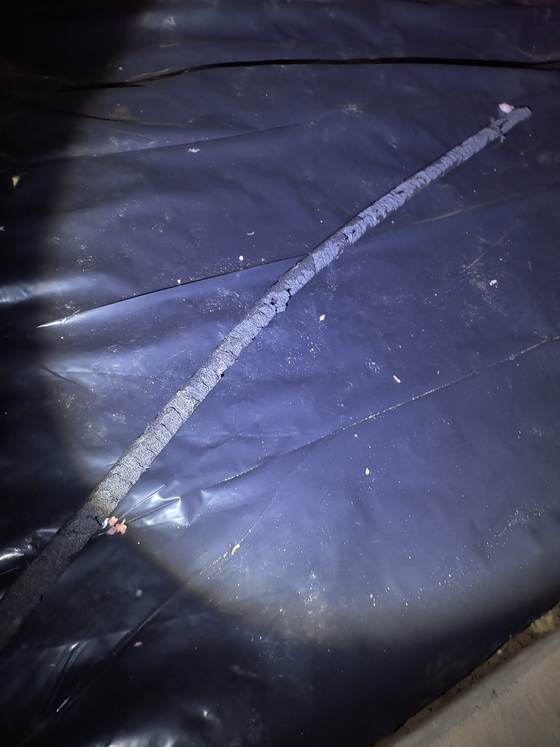
In a store the sequence is almost always the same. They arrive at the waste enclosure or the yard, enter at the dock or a service penetration, live in the floor voids and behind fixed equipment, and feed in the stockroom. The sales floor is the last place they appear and the first place anybody notices, which is why a customer sighting is usually a late-stage symptom rather than a new problem.
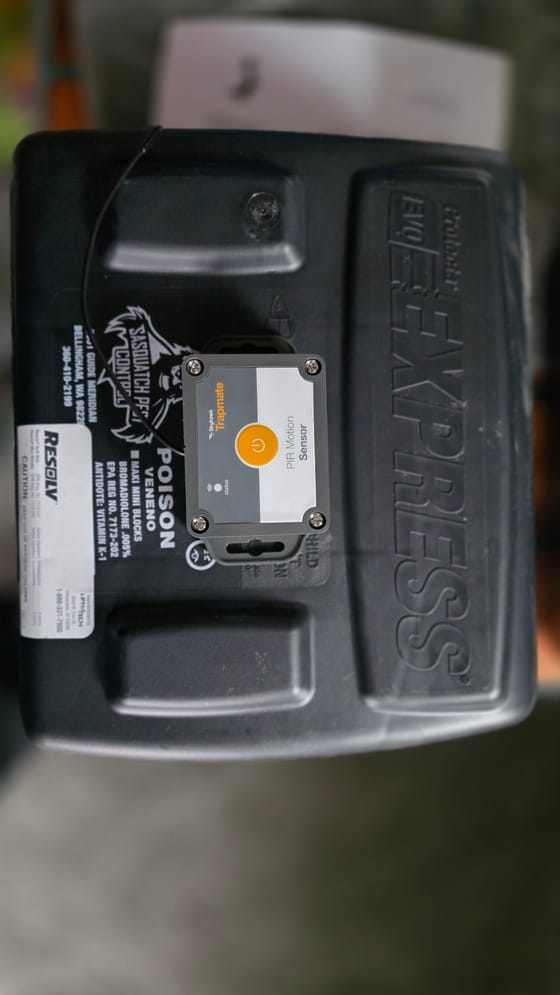
The work is exclusion at the dock and the service penetrations, monitoring in the back room where the activity actually is rather than around the sales floor perimeter where it looks tidy, and management of the exterior conditions that keep pressure on the building.
Small flies and where they breed
Retail small fly complaints are almost always one of four things, and none of them is solved by treating the air:
- Drains in the deli, bakery, prep and mop areas, where organic film builds in the line
- Condensate from chillers, freezers and ice machines, which is permanently wet
- Produce culls and waste held too long inside the building
- Spillage under fixed equipment where it cannot be reached by a normal clean
Finding the site is the job. We will map where they are actually breeding and say so, including when the answer is a piece of equipment that needs lifting or a drain that needs proper cleaning rather than anything we can apply.
Stored product insects, which are a stock problem
Worth separating out, because the instinct on a beetle or a moth sighting is to treat the room and the room is almost never the source.
These insects arrive inside product. A single infested sack of birdseed, bag of flour or case of pet food, placed at the back of the racking, will seed a population that then appears throughout the store — on the sales floor, in aisles nowhere near where it started, and in packaging that was clean when it arrived. Treating the perimeter of the building has no effect on it at all.
The work is:
Find the source. Pheromone monitoring placed to locate rather than to confirm, and a physical search of the oldest stock in the store. It is always the thing nobody has moved: the split bag behind the pallet, the damaged case that was never written off, the seasonal stock from two years ago.
Rotate. The population is always in the oldest item on the racking, so enforced rotation removes the reservoir faster than anything applied.
Set an incoming standard. What gets checked, what gets rejected, and who does it. Suppliers respond to rejections and to nothing else.
Clean the spillage. Under racking, in the flutes of pallets, in the corners of the stockroom, and in the shelf channel on the floor itself.
Once the source is out, the population goes. Until it is out, no amount of treatment or visit frequency will settle it, and a program that keeps treating without finding the source is charging you for the symptom.
Birds at the entrance
Droppings on an entrance canopy are a slip hazard where customers walk, and over a dock they are a finding on any site handling food. Bird exclusion is not work we do, so if that is the problem we will tell you plainly and recommend a specialist.
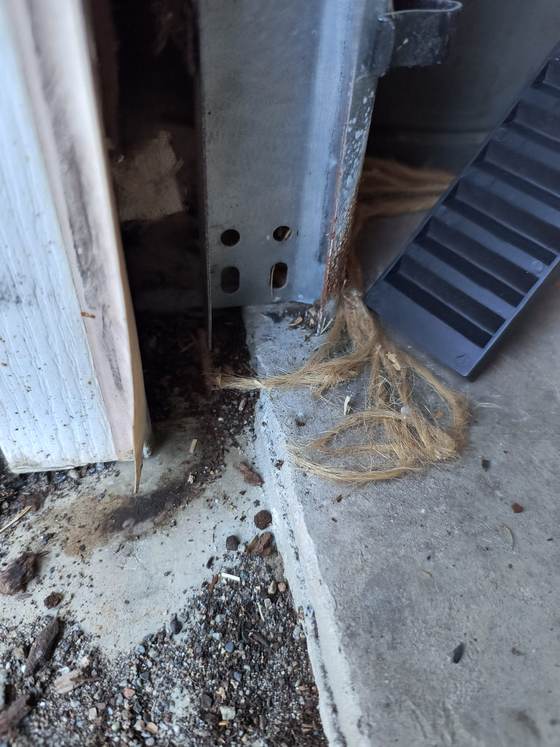
The part that is ours is the draw. Spilled food in the yard, an open waste enclosure and a loading area nobody sweeps feed rodents and stored-product insects as well as birds, and closing them belongs in the program either way.
Working around trading
Almost all of this is done outside trading hours, and most of it is in areas customers never enter anyway.
Placements go where the public and children cannot reach them, out of sight from the floor, and away from product and packaging. Mechanical control — monitoring, trapping, exclusion — carries more of the load than it does in a warehouse, because it introduces nothing near food or goods. Technicians work in plain uniform, vehicles stay off the frontage where that matters, and a daytime visit is back room first and floor last.
Garden centers and nurseries
Worth a separate note, because they sit under retail and behave like nothing else in it.
Half the site is outdoors and the outdoors is the product. Plant material arrives with whatever is living in it, standing water is everywhere by design, and organic material — bark, compost, soil, cull plants — is present in volume at all times. That combination makes the yard a permanent fly and rodent resource in a way a hard-surfaced retail lot never is.
Three things follow. The cull pile is the single most important item on the site, and how quickly dead plant material leaves decides most of the fly pressure. Standing water in trays, saucers and irrigation catchment is a breeding resource that a hose schedule creates and a drainage fix removes. And bagged goods — soil, feed, seed, fertilizer — behave exactly like the pet food aisle indoors, with splits under the pallet supporting a population nobody looks for because it is outside.
The indoor part is ordinary retail with an unusually porous envelope, because a greenhouse or a covered yard is not a sealed building and quoting it as though it were would be dishonest. What works is a defended core — the till area, the indoor retail, the stockroom, any food or seed storage — with the yard managed on conditions rather than treated.
Seasonality is sharper here than anywhere else in retail. Spring is the whole year compressed into ten weeks, with maximum stock, maximum traffic and minimum appetite for anybody working on the building, which means the structural work belongs in late summer and winter.
The record
Food retail is inspected, and grocery in particular sits inside audit schemes that ask for the pest program directly.
Every visit produces a dated record: what was found and where, what was done, what was recommended and to whom, and the state of each monitoring device. A device map somebody unfamiliar with the store can follow. Labels and safety documentation for anything applied. And an escalation route so a finding on the sales floor reaches a named person the same day rather than in a monthly summary.
Over a year that becomes the trend an auditor actually reads: not whether there was ever a finding, but whether findings were acted on and whether the same one keeps recurring in the same aisle.
We are not your auditor and a pest program does not guarantee an inspection outcome. It removes one standard reason for a poor one.
The year in retail
Late winter to spring. Structural work at the dock and the service penetrations, while the building is quiet and the weather allows exterior work.
Spring. Ants — predominantly odorous house ants — in break rooms and around any food display. Small fly pressure begins.
Summer. Fly pressure at its peak, waste volume up, doors propped in warm weather, and the highest risk period for produce and prepared food. Stinging insects build toward August and September, and around a store they are an entrance and waste-area problem, which is customer-facing.
Autumn. The rain floods rodents out of the ground around the lot, and the first proper cold settles which building they move into. A heated building with a dock is the best address on the block. This is when the year’s exclusion work proves itself, and when seasonal stock arriving in volume brings extra cardboard with it.
The holiday period. Peak stock, peak overstock in places that are not stockrooms, peak cardboard, and the least appetite for anybody doing anything disruptive. Worth planning for rather than absorbing.
What we ask of the store
- A receiving standard, applied by somebody who actually looks, with a stated rejection point
- Cardboard broken down and baled or removed rather than stacked
- Stock rotation enforced, and splits dealt with the day they happen
- Racking kept clear of the floor and pallets moved periodically so the floor can be seen
- Waste on a schedule that holds in August, with enclosures that close
- Drains and condensate lines on a documented cleaning program
- Access to the back room, dock and equipment voids on visit days
- A named contact who can act on an escalated finding the same day
Where we work
Retail and grocery work runs across Bellingham — downtown, Fairhaven, the Guide Meridian and Sunset corridors, and the neighborhood centers — and out through Ferndale, Lynden, Blaine, Birch Bay and Sumas, then south into the Burlington retail corridor, Mount Vernon and Sedro-Woolley. Grocery, convenience, pet supply, garden centers, pharmacy and general retail are the same category of work at different intensities.
Starting
We walk the store outside trading hours with somebody who knows the back room. The walk covers receiving and the dock, the stockroom and racking, cardboard handling, the break room, waste and the enclosure, chillers and their condensate, deli and bakery where they exist, floor voids and fixed equipment, and the exterior.
What comes back is a written program: areas in scope, what is sealed and what is monitored, device map and numbering, visit frequency and timing against trading, the escalation route, the reporting package, and the receiving and housekeeping items that decide the result.
There is no long-term contract requirement. Call or text and we will walk the store outside trading hours.
Frequently asked questions
Will customers ever see you on the floor?
Not if it is scheduled properly. Almost all retail work happens before opening or after close, and most of it is in the back room and the dock rather than the sales floor anyway. Where a daytime visit is unavoidable we work receiving and stockroom first and keep the floor to a walk-through in plain uniform.
Most of our problems seem to arrive with deliveries. Is that normal?
It is the norm rather than the exception, and it is the single most useful thing to act on. Cockroaches travel in cardboard and returnable crates; stored product beetles and moths arrive inside dry goods and pet food. A store with excellent housekeeping and no receiving standard will keep importing problems it then pays to remove.
We share a wall with the unit next door. Does that matter?
Yes, and in a strip it usually decides the outcome. Shared walls, a common roof void and a shared waste enclosure mean your neighbor's problem reaches you, and a program scoped to your lease will keep being reinfested. We will tell you when the honest answer is a building-level conversation with the landlord, which is a harder sell than treating your own space.
What about pet food and birdseed aisles?
They are the highest-risk product category in the store and they behave like a small feed room. Split bags, spillage under the racking and slow-moving stock at the back of a shelf will support a stored product insect population indefinitely, and the population then appears in aisles nowhere near it. Rotation and prompt clean-up of splits do more than anything applied.
How do you handle a rodent finding during trading?
It is escalated to your named contact the same day rather than appearing in a monthly summary, with the location and what it means. In a food retail setting a finding on the sales floor is a different conversation from one in a back corner of the stockroom, and the record should reflect which it was.
How is a retail program priced?
From the walk. The variables are the size of the back room and dock, whether there is food and what kind, the state of the waste enclosure, how many separate storage areas exist, whether the unit is standalone or in a shared building, and the visit frequency the site needs.
This is one of the programs described on our commercial pest control page, which covers how a program is built, what the record looks like, and the compliance surface it contributes to. For a site walk, call or text 360-410-2199.
Commercial pest control in Whatcom County?
Family-owned, no long-term contracts, and every treatment is backed by our 100% Service Guarantee.
Most calls in Whatcom County are out within 1–2 days, about 3 during the late-summer peak.
Last updated