
Government & Municipal Pest Control
Public buildings are a mixed estate bought through a formal process and answerable to people who can ask questions in public. The work is one program across many building types, documented per site, priced so it survives a bid, and delivered by a local crew rather than dispatched from another region.
Call 360-410-2199 Request a free inspection
What gets checked, at a glance
| Records | Dated per building: findings, actions, recommendations and who they went to, plus an estate-level roll-up |
|---|---|
| Device layout | Monitoring layout and numbering that a person unfamiliar with the building can follow |
| Licensing | WSDA license numbers and categories plus insurance certificates, attached to the bid rather than referenced |
| Visit frequency | Stated separately for each building in the base program, not pooled into one estate figure |
| Out-of-scope work | Priced from a schedule of rates: exclusion, stinging insect callouts, bed bug responses, one-off treatments |
| Visit timing | Built around public hours and bookings; disruptive work goes into a closed period agreed ahead |
| Who fixes structure | Exclusion is in the program; drainage, roof and gutter items go to the capital list as dated written recommendations |
| Contacts | One named contact with an escalation route, plus a named person for each major building |
One program, a dozen different buildings
A municipal estate is not a building type. It is a portfolio, and almost every category on this site is somewhere inside it.
City hall and administrative offices. A library. A community or senior center. Recreation facilities and a pool. Public works and the maintenance yard. Fleet and equipment storage. Parks, shelters, restrooms and concession buildings. Sometimes a museum or a historic structure with its own constraints. Sometimes a kitchen. Sometimes housing.
Each of those has a different pest picture, a different access pattern and a different audience, and the program has to hold across all of it while being purchased as one thing. That is the actual challenge in municipal work, and it is a scoping problem rather than a technical one.
What public buildings have in common
They are open to the public, which means access is continuous, food comes in constantly, and doors are used by people who have no reason to care whether they close.
They are answerable in public. A complaint about a pest in a public building can become a question at a council meeting, an email to an elected official, or a story. That raises the cost of a slow response far above the cost of the problem itself.
They are bought through a formal process. A quote is a bid, the scope has to be comparable against other bids, and variations are harder than in the private sector. This is why scope discipline and a schedule of rates matter more here than anywhere else.
They are chronically deferred on maintenance. Public buildings carry long lists of things everybody knows need doing. Pest exclusion is almost always on somebody’s list already, and a dated finding from an outside contractor is frequently what moves it from the list into a budget.
They are staffed by people who are not maintenance staff. A librarian, a recreation supervisor or a clerk is the person who will see the problem first and needs a route to report it that does not require knowing who to call.
The buildings that actually generate the work
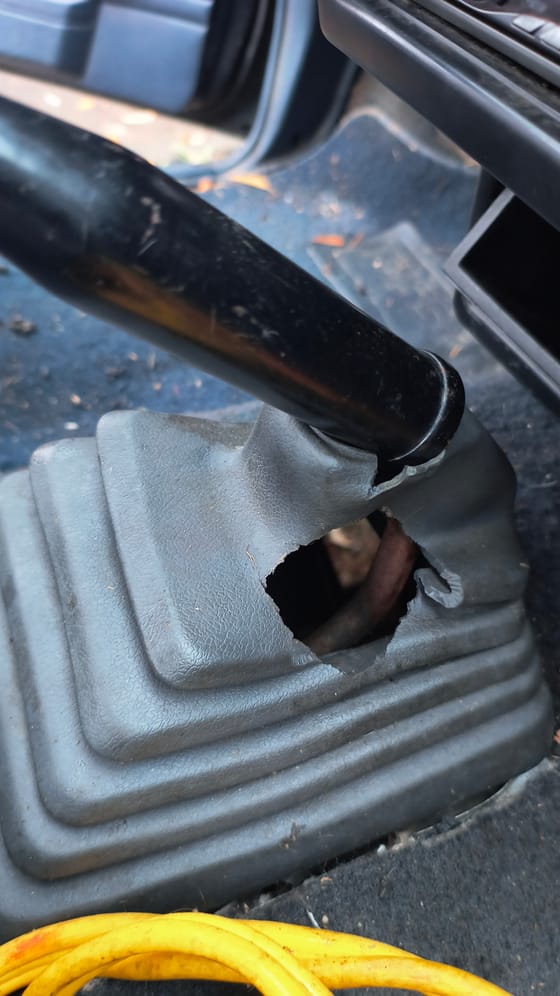
Public works, the shop and the maintenance yard. Almost always the largest pest problem on an estate, and the least visible. Open bay doors through the working day, equipment standing for months, material stored outdoors, waste, and a building nobody is trying to keep sealed. Rodent damage to vehicle and equipment wiring is the expensive part.
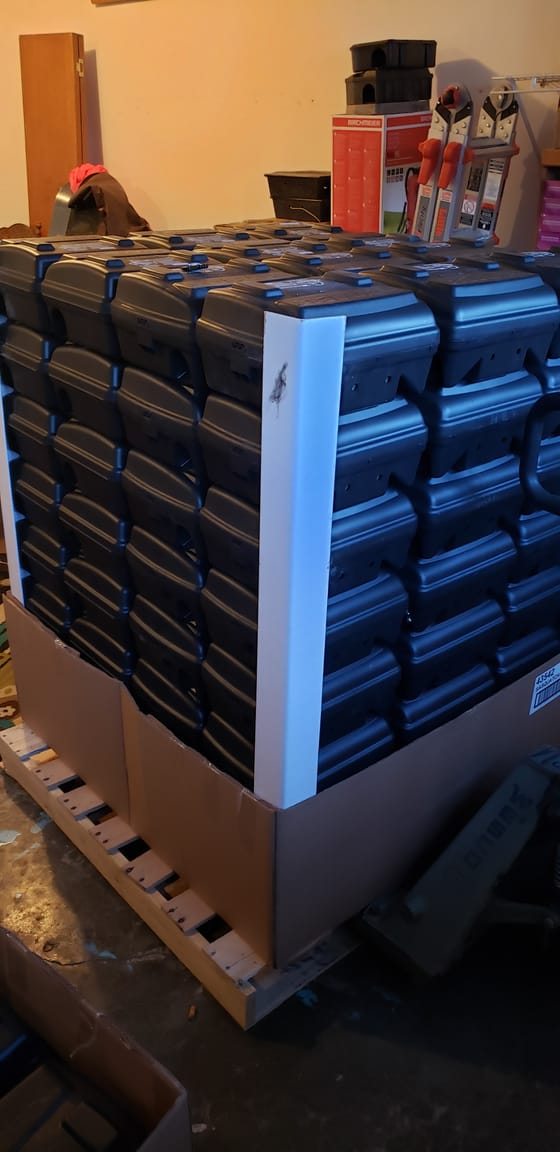
Parks buildings, shelters and restrooms. Seasonal use, minimal supervision, open structures, and food waste in summer. Wasp nests in shelters and restroom voids are the recurring safety item, and they arrive at exactly the point in the year when use is heaviest.
Concession stands and event kitchens. Food service that operates a few weeks or weekends a year, closed the rest of the time, which is the worst possible pattern — a food building that sits idle accumulates a population and then opens with the public in it.
Libraries and community centers. Low pest pressure structurally, high consequence socially. Also the buildings where a bed bug report is most likely to become a public conversation, dealt with below.
Offices and administration. Break rooms, deliveries, cardboard, and the ordinary problems of any office.
Storage and archives. Undisturbed, paper-rich, rarely entered. Rodent damage here is discovered late and can be irreversible — paper records, historic material and stored equipment are not replaceable the way stock is, and a population can work in a records room for a year before anybody opens the door.
Bed bugs in a public building
This is the item most likely to become a public story, and it is worth setting out plainly because the reflex response is usually the wrong one.
Bed bugs do not establish in libraries, offices or community centers the way they do in housing. Those buildings do not offer the sustained overnight human contact a population needs. What a public building almost always has is an introduction — an item brought in, an insect on a bag or a coat — rather than an infestation of the building.
The right response is inspection to confirm, targeted treatment where warranted, and proportion. Closing a library for a week over a single specimen does far more damage than the specimen does, and it teaches everybody that reporting causes chaos, which produces later reports next time.
Upholstered furniture in public seating areas is the place to focus, and a periodic inspection of it is cheaper than any response.
Wasps, parks and the public
Stinging insects are the clearest safety issue on a municipal estate and the season is unhelpful: our heaviest weeks are August and September, which is peak park and facility use.
Nests turn up in shelter roofs and rafters, restroom voids, playground equipment, bleachers, sign structures, utility cabinets, and ground nests on field margins and trail edges. A ground nest beside a mown path is a different order of risk from one in a hedge, because somebody will run a mower over it.
Two things make this manageable. A grounds walk before the season rather than a response during it, and a reporting route that lets a parks employee or a member of the public flag a nest without deciding whether it is important enough to mention. Nests near play equipment, entrances and mowing lines are prioritized out of order.
Rodents across an estate
Inside Bellingham the picture is rats. Norway rats at ground level working foundations, drains, service voids and the ground around waste; roof rats where roofline access, trees or utility runs allow it. Facilities out through the county see more mice off surrounding open ground, and any building against a greenbelt, a park margin or a field is on the county pattern regardless of which side of a line it sits.
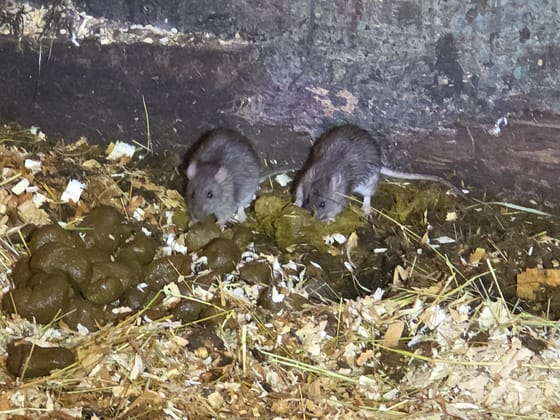
Across an estate the routes are consistent: bay and loading doors, utility penetrations, crawlspace and foundation vents on older buildings, roof plant, and the service voids that connect wings. The work is exclusion first, monitoring where the activity actually is rather than at even spacing, and management of the exterior conditions — waste, vegetation against walls, stored material — that keep pressure on.
The estate view is what makes this efficient. Findings across a dozen buildings show a pattern: which structures are generating problems, which are quiet, and where the capital money should go. A program that produces twelve identical monthly slips tells a facilities director nothing they can act on and cannot support a budget request.
Historic and older public buildings
A good share of the civic stock in this county is old, and older buildings here carry the problems old buildings here have: continuous wall cavities from crawlspace to attic, penetrations drilled oversize over a century of alterations, board sheathing that has shrunk, and vented crawlspaces that stay damp through a wet season.
Two consequences. Sealing is a more careful job than on a modern building, and it sometimes runs into heritage constraints on what may be altered or how it may look. And moisture is the driver behind a large share of the pest activity, so the honest recommendation is frequently drainage or roof and gutter work rather than anything a pest company applies.
Where that is the answer, we say so and put it in writing, because in a public body a dated recommendation from an outside contractor is what turns a deferred maintenance item into a funded one.
Fleet, equipment and the wiring problem
The maintenance yard deserves more than a line, because the damage there is the most expensive thing rodents do on a public estate and it is almost never counted as a pest cost.
Vehicles and equipment standing idle are ideal harborage. They are enclosed, warm for hours after use, full of soft insulating material, and undisturbed for days or months — a plow truck between seasons, a mower over winter, a spare unit kept for peak. Rodents nest in engine bays, cabs, air boxes and under seats, and they chew wiring.
A chewed harness is a repair bill, a vehicle out of service, and on seasonal equipment a failure discovered at the exact moment the equipment is needed. A plow that will not start in the first snow event is a rodent problem that presents as a fleet problem, and the invoice is written against fleet maintenance where nobody connects it to anything.
What works is unglamorous. Equipment stored inside a building that is actually defended rather than merely covered. Nothing stored with food residue, feed, seed or fertilizer beside it. Monitoring in the bays rather than only around the building perimeter. Periodic inspection of long-idle units rather than discovery at start-up. And keeping the yard margins — pallet stacks, material piles, vegetation, disused equipment — clear, because that is the reservoir the building is drawing from.
Public housing and shelters, where they exist
Some public bodies hold housing, transitional accommodation or shelter capacity, and where they do it is a different service inside the same estate.
Everything on the multifamily page applies: the building is the unit, shared voids connect apartments, and treating one door while its neighbors are untouched relocates a population rather than removing it. What is added is a resident population that may be transient, may arrive with belongings from unpredictable places, and may have every reason not to report a problem.
Bed bugs are the central item and the handling is the same as in senior living, for the same reasons: scope by building, inspect adjoining units before quoting, and build a reporting culture where an early report is treated as maintenance rather than as fault. A body that charges residents for treatment, or moves them as a consequence of reporting, will receive late reports and large infestations, and will pay considerably more overall.
Intake is the leverage point. Inspecting furniture and belongings at intake, and having a defined process for treating items rather than refusing them, prevents more work than any treatment schedule.
Buying it, and what a bid should contain
Public purchasing rewards clarity, so this is how we structure it.
A base program scoped by building, with each building’s areas, visit frequency, monitoring layout and reporting stated separately rather than pooled into an estate total. That makes the award comparable and lets a body add or remove a building without renegotiating.
A schedule of rates for work outside the base scope — exclusion, a wildlife or stinging insect callout, a bed bug response, a one-off treatment. This is the item most often missing from municipal pest bids and the one that causes the most friction later, because without it every finding becomes a negotiation.
Documentation and licensing attached rather than referenced: WSDA license numbers and categories, insurance certificates naming the entity where required, and the reporting format the program will produce.
An honest statement of capacity. We are a small local company. Across a municipal estate in Whatcom or Skagit County we can hold a genuine standard with the same crew, who will know your buildings. For an award spanning several counties, or one requiring crew numbers we do not carry, we are not the right answer and we will say so at the bid rather than win it and underperform. That has cost us work and it is the correct trade.
Wildlife, and where the line falls
Public estates generate more wildlife calls than any other category, because they own the ground between buildings — parks, trail corridors, drainage, riverbank, and whatever the boundary fence backs onto.
It is worth being direct about what is and is not available, because expectations here are further from reality than anywhere else on this site.
We are a pest control company, not a wildlife removal operation. Where a situation calls for a licensed wildlife control operator, or for the state, we will say so and stay out of it rather than take work we should not.
Native species carry protections, and those protections frequently attach to nests and dens as well as to animals, which makes timing decisive. Work available in February may not be available in May.
What we do well is exclusion. Closing the ways into a building — the crawlspace, the roof void, the shelter rafters, the space under a raised structure — is the durable answer and it is the part that does not depend on removing anything. A structure that cannot be entered stops being a problem regardless of what is living in the park.
Harborage management is the other half. Woodpiles, disused equipment, vegetation against walls, and open space under decking and shelters are all things an estate controls directly, and all of them decide how much pressure arrives at the buildings.
For a public body the useful framing is that wildlife on the grounds is usually not a problem to be solved, and wildlife inside a building always is. The program addresses the second.
The year on a public estate
Late winter to spring. Structural work, while facilities are quieter and before the season. This is when exclusion at the shop, the parks buildings and the older stock actually gets done.
Spring. Grounds walk before the season starts. Ants in break rooms. Preparation of seasonal buildings before they open.
Summer. Peak facility and park use, peak waste, doors open, and stinging insects building to the heaviest weeks in August and September. Response rather than construction.
Autumn. Rain displaces the outdoor rodent population and the first sustained cold decides where it goes — the shop, the storage buildings, the crawlspaces of the older stock. The exclusion done in spring proves itself here.
Winter. Interior work, archives and storage, and the planning window for the next year’s budget submissions, which is the right moment to have the year’s findings summarized.
What we ask
- A single named contact with an escalation route, plus a named person per major building
- Access to shops, yards, mechanical spaces and seasonal buildings on visit days
- A reporting route for staff and grounds crews that does not require a decision about importance
- Waste on a schedule that holds through summer, with enclosures that close
- Vegetation and stored material pulled back from building walls
- Notice of building works, because a contractor has just reopened the envelope
- Seasonal buildings opened for us before they open to the public
Where we work
Municipal and public work runs across Bellingham and Whatcom County, out through Ferndale, Lynden, Blaine, Everson, Nooksack and Sumas, and south into Burlington, Mount Vernon and Sedro-Woolley. City and county facilities, parks departments, districts, libraries, community centers and public works estates are the same category of work at different scales.
Starting
We walk the estate, or a representative sample, with facilities and with parks if the grounds are in scope. The walk covers the shop and yard first, because that is usually where the work is, then the staffed buildings, seasonal and park structures, storage and archives, waste handling, and the exterior of each.
What comes back is a written program: buildings and areas in scope, what is sealed and what is deferred to a capital list, monitoring layout and numbering, visit frequency per building, the escalation route, the per-site and estate-level reporting, a schedule of rates for out-of-scope work, and the housekeeping items that will decide the result.
For a walk, or a straight answer about whether a scope you have been given is the right shape, call or text.
Frequently asked questions
Do you bid public contracts?
Yes. We are a small local company, which has consequences worth stating up front: we can hold a genuine service standard across a municipal estate in this county, and we are not the right answer for an award spanning several counties or requiring crews we do not carry. We would rather say that at the bid than win it and underperform.
What documentation comes with a municipal program?
A dated record per building — findings, actions, recommendations and who they went to — a device map somebody unfamiliar with the site can follow, license and insurance documentation, and product labels and safety data for anything applied. Public bodies tend to need the roll-up as well as the per-site record, and that is how we report.
Can you work around public access hours?
Yes, and on most public buildings it is the whole scheduling problem. Libraries, community centers, city halls and recreation facilities have public hours, evening bookings and events, so visits are built around them and anything disruptive goes into a closed period agreed in advance.
Are you licensed and insured for public work?
We hold Washington State Department of Agriculture licenses carrying the PCO Structural and PCO General categories, and general liability insurance. License numbers are published on our about page so they can be verified with WSDA directly. Certificates naming the entity, and any additional insured requirement, should be raised at the bid stage.
What about parks, shelters and outbuildings?
They are usually the least maintained part of an estate and the most exposed. Shelters, restrooms, concession buildings, storage and maintenance yards sit against open ground and take seasonal use, so they get pressure without the attention a staffed building gets. On most estates we walk, the outbuildings are where the work is.
How is a municipal program priced?
By building, from a walk of the estate, with a schedule of rates for anything outside the base scope. That structure matters for public purchasing — it makes the award comparable and stops variations turning into a negotiation every time something is found.
This is one of the programs described on our commercial pest control page, which covers how a program is built, what the record looks like, and the compliance surface it contributes to. For a site walk, call or text 360-410-2199.
Commercial pest control in Whatcom County?
Family-owned, no long-term contracts, and every treatment is backed by our 100% Service Guarantee.
Most calls in Whatcom County are out within 1–2 days, about 3 during the late-summer peak.
Last updated