The Complete Spring Pest Prevention Checklist for Bellingham and Whatcom County Homeowners
Call 360-410-2199 Request a free inspection
Why is spring the most important season for pest prevention here?
Most people treat pest control as reactive: you see a problem and call for help. But in the Pacific Northwest, spring is genuinely the most effective time to head off the entire season of pest pressure. Here’s why:
- Ant colonies are just becoming active, small and close to their overwintering sites, and far easier to treat than established summer colonies
- Queen wasps are just starting nests, and a single queen in March is incomparably easier to deal with than a 3,000-worker yellow jacket colony in August
- Rodents that used your home as winter shelter haven’t yet dispersed, so sealing entry points now interrupts the cycle before new generations are born
- Winter moisture conditions are still fresh, making this the time to find and fix the issues that attract pests all season
- Most pests are in their most vulnerable, least-established state, so prevention now takes a fraction of the effort of late-season treatment
What should you check on the exterior foundation and perimeter?
Start outside, at ground level, and walk the full perimeter of your home slowly. Look for:
- Cracks in concrete or masonry foundation — even hairline cracks allow ant and earwig entry
- Gaps where siding meets the foundation, a common rodent entry point in Whatcom County homes
- Any wood framing in direct contact with soil, prime carpenter ant habitat
- Gaps around utility penetrations: gas lines, electrical conduit, cable, and water lines
- Evidence of rodent burrowing: smooth-edged holes in soil, disturbed soil, tunnels
- Moisture accumulation at the foundation line — poor drainage invites ants, earwigs, and slugs
What to do about what you find: fill hairline concrete cracks with hydraulic cement or foundation-rated caulk; seal siding-foundation gaps with expandable foam for larger openings and exterior silicone for smaller ones; create a 6-inch gap between wood framing and soil where possible, the single most effective carpenter ant prevention step; seal utility penetrations with rodent-resistant foam or back-fill with steel wool before foaming; and regrade soil to drain away from the foundation in persistent wet areas.
What should you look for in the crawl space?
If your Bellingham home has a crawl space, this is the highest-priority area to check in spring. It’s where carpenter ant colonies, rodent nesting, and the moisture that drives pest pressure throughout the home all tend to show up first.
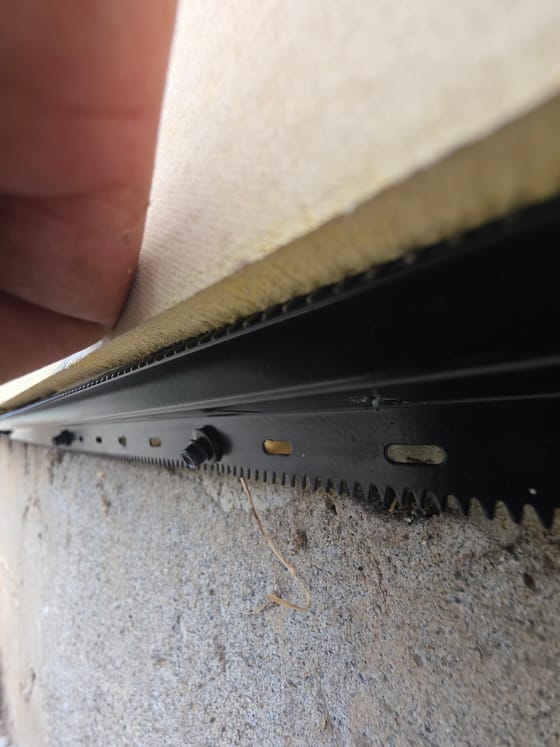
- Vapor barrier is intact and covers the full floor — tears or gaps let moisture accumulate
- No wood-to-soil contact on sill plates, posts, or beams
- No signs of rodent activity: droppings, nesting material, gnaw marks on wiring or insulation
- No frass (coarse sawdust with debris) indicating carpenter ant galleries
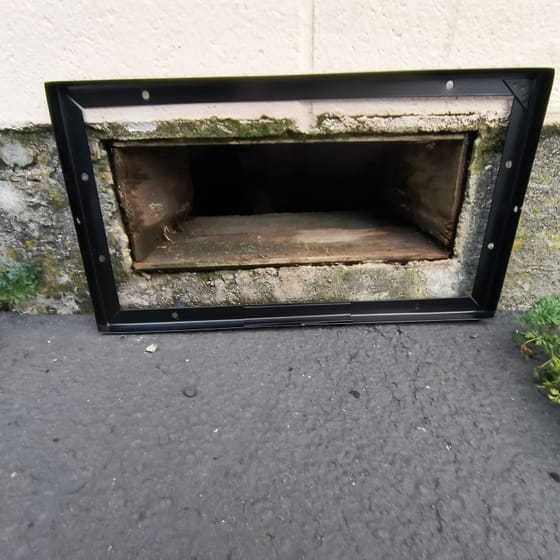
- Vents are intact, screens not torn
- No standing water or soft, damaged wood in sills or beams — probe with a screwdriver for soft spots
- Insulation is intact and undisturbed; rodents commonly use fallen insulation as nesting material
What to do: repair or replace damaged vapor barrier (6-mil polyethylene, overlap seams at least 12 inches and tape); address wood-to-soil contact with concrete blocks or an air gap; do not handle rodent droppings without respiratory protection; and identify the source of any standing water before addressing it. On the droppings, Washington’s Department of Health is firmer still: don’t sweep or vacuum them, wet the area down with a bleach solution first, and wear gloves, since a dust mask does nothing against a virus. The most common problem in Bellingham crawl spaces is damaged vapor barrier combined with construction wood debris left on the soil, which is prime carpenter ant habitat. Clearing the debris and repairing the barrier addresses two of the biggest risk factors in one visit.
What should you check at the roof, attic, and roofline?
The roofline is a commonly overlooked entry zone — carpenter ants enter from above as often as from below. Walk your property and look up.
- Soffit panels are intact, with no missing, damaged, or loose sections
- Fascia boards are solid, with no soft spots or rot
- Roof and gable vents have intact screens; rodents get in through damaged ones
- No tree branches within 10 feet of the roofline; branches are bridges for carpenter ants and rodents
- Chimney cap is in place and intact
- No visible damage to shingles or flashing around penetrations — water intrusion creates the moisture that attracts carpenter ants
- In the attic: no rodent droppings, chewed insulation, or frass in the rafters
What to do: re-secure or replace loose soffit panels (open soffit is a top rodent and carpenter ant entry point in older Whatcom County homes); replace rotted fascia promptly; swap damaged vent screens for 1/4-inch hardware cloth rather than standard window screen, which rodents chew through; trim branches back to 10 feet of clearance; and install a commercial chimney cap sized to your flue.
What about doors, windows, and wall penetrations?
Every opening in your exterior is a potential pest entry point, and spring is the time to re-check them after winter.
- Door weatherstrip makes consistent contact with no gaps at corners
- Door sweeps are intact and meet the threshold
- Window caulk is intact, with no shrinkage gaps between frame and siding
- Window screens have no tears or separated frames
- No gap between the dryer vent cover and siding, a surprisingly common rodent entry point
- Range hood exterior vent has a working damper
- No gaps around cable, internet, or telephone lines entering the walls
What to do: replace weatherstrip that no longer makes contact (self-adhesive foam is a quick fix); re-caulk window frames with exterior-grade silicone, which won’t shrink like acrylic through wet Pacific Northwest winters; repair damaged screens; and seal utility penetrations with appropriate caulk or rodent-resistant foam.
What should you check inside the kitchen, bathrooms, and utility areas?
Once the exterior is handled, move inside to where pest pressure first becomes visible.
In the kitchen: store pantry and pet food in sealed containers (cardboard and paper bags are easily penetrated); don’t leave pet bowls out overnight; check under the sink for leaks and gaps around pipes; clean behind and under the refrigerator and stove, where coils, drip trays, and grease attract ants; and seal the gap between the countertop backsplash and wall, a prime odorous house ant travel corridor.
In bathrooms: no leaks under sinks or at toilet bases (moisture creates carpenter ant and silverfish habitat inside walls); intact caulk around the tub or shower surround; no gaps where vanity plumbing enters the floor or wall; a working exhaust fan vented to the exterior; and intact grout.
In utility, laundry, and garage areas: secure, non-leaking washing machine hoses; a dry water heater area; no open food storage (bird seed, pet food, grass seed, and fertilizer attract rodents); intact garage door weatherstrip; and no cardboard boxes on the floor, because cardboard is prime rodent nesting material.
What landscaping and yard conditions matter?
The conditions right outside your home determine much of the pest pressure inside. A well-maintained perimeter dramatically reduces what tries to get in.
- Mulch and bark pulled back at least 12 inches from the foundation
- Firewood stored off the ground and at least 20 feet from the home
- No wood debris, old lumber, or construction material stacked near the home
- Compost bins sealed, located away from the home, and not overflowing
- Tree branches not contacting the roofline or any exterior wall
- Gutters clean and downspouts discharging at least 6 feet from the foundation
- No birdbaths, water features, or decorative pots directly against the house
The single most impactful change most Bellingham homeowners can make is pulling bark mulch back from the foundation. It turns up at house after house in Whatcom County: mulch packed against the siding, several inches deep, creating a perfect moisture-retaining, organism-rich ant habitat right against the home. Moving it back 12 inches has an immediate, meaningful impact.
Which spring pests should Whatcom County homeowners watch for?
Beyond the general checklist, here’s the seasonal watch list as spring unfolds:
- March–April, ant season begins. Odorous house ants and pavement ants emerge first, often in late February. Watch for trails along counters, windowsills, and baseboards. Carpenter ant foragers become active in March; if you see large black ants inside near wood structures, have someone come out and take a look. Don’t spray — baiting is far more effective, and the wrong product makes it worse.
- April–May, wasp and yellow jacket queens. Queen wasps emerge from overwintering in March and April. A single queen starting a nest in April will have 300 to 500 workers by June and thousands by August. A lone large wasp investigating your eaves or soffits in spring is a queen scouting nest sites, and addressing entry points now is far easier than treating a colony later.
- April–June, rodent activity peaks. Rodents that sheltered over winter reach peak activity in spring. Exclusion work done now prevents the next generation from establishing.
- May–June, spiders move indoors. As exterior spider populations grow, more move toward homes seeking insects. Switching exterior lights to yellow-spectrum bulbs reduces the insect prey that draws them.
- May–July, flea season. If you have pets that go outside, treating the yard and your pets before you see evidence is far more effective than treating an established infestation indoors.
Common questions
How early in spring should I start pest prevention?
Late February to early March is ideal for Bellingham. That’s when soil temperatures are rising but before most pest species have fully activated. Carpenter ants begin foraging when soil reaches about 50 degrees, which happens on warm late-winter days here, and ant colonies ramp up in late February with queen wasps emerging in March. Getting ahead of the season by even two to three weeks dramatically improves how effective your prevention efforts are.
Do I need a professional visit, or is this checklist enough?
This checklist covers everything a proactive homeowner can reasonably do. For most homes with no history of pest problems, working through it thoroughly each spring provides meaningful protection. A professional goes deeper: we access crawl spaces and attics fully, use moisture meters to find hidden water damage, and recognize early infestations that aren’t obvious. For homes with past problems, older construction, or the risk factors above, having someone come out in spring is worth the time.
What’s the most common spring pest problem in Bellingham homes?
Without question, carpenter ants in crawl spaces with moisture issues, particularly in Whatcom County homes built before 1980. The pattern is consistent: damaged vapor barrier leads to accumulated moisture, which leads to soft wood, which leads to a carpenter ant parent colony establishing over years. Fixing the vapor barrier and addressing the moisture is the most impactful prevention step available to most homeowners.
I see ants every spring no matter what I do. Is something wrong with my house?
Not necessarily, but persistent spring ant invasions usually indicate a recurring condition enabling them: a moisture source near the foundation, a gap that hasn’t been properly sealed, or landscaping that creates ant habitat right against the house. If you’re treating visible symptoms but not the underlying conditions, the problem recurs on the same cycle every year. At that point it’s worth having someone come out and trace the source rather than treating the trail again.
Should I spray the perimeter every spring as a preventive measure?
It depends on your situation. A professional-grade residual perimeter application in spring can provide meaningful protection for 30 to 90 days depending on conditions. Consumer-grade sprays are formulated at lower concentrations and break down quickly in Pacific Northwest rain and sun. If you have a history of significant ant or spider issues, a professional spring perimeter treatment is worth considering; if you’re doing thorough preventive maintenance on a home with no major pest history, the structural work may do more for you than spray alone.
Are there pests in Bellingham I should be especially aware of?
The one that surprises Whatcom County homeowners most is termites — though not the ones the national articles describe. Washington has a native subterranean termite species, but it is genuinely uncommon here, so the mud tubes that Southern advice tells you to look for are the wrong sign for this county. Our termite is the Pacific dampwood termite, which nests directly in wet wood rather than in soil, and it belongs to a group of moisture-driven wood destroyers that also includes decay fungi (plain wood rot) and carpenter ants. The signs are subtle: wood that sounds hollow or feels soft when tapped, small hard fecal pellets accumulating below infested wood, and chronically damp framing near leaks, gutters, and wood-to-soil contact. Adding a crawl-space check for those signs to your spring routine is worthwhile, especially in homes over 20 years old.
I’m selling my home this spring. What pest issues should I address before listing?
Prioritize crawl space and attic condition. Evidence of rodents, carpenter ants, or moisture damage in either can affect a sale and may trigger disclosure obligations, so it is better dealt with before listing than during. Address any visible rodent evidence, seal entry points, and repair moisture-related wood damage. If your transaction calls for a wood destroying organism report, that is a separate document produced by a licensed structural pest inspector — we do not perform those, and we can treat what one identifies.
Originally published on our previous website at
/spring-pest-prevention-checklist-whatcom/. Brought across August 31, 2026, with the text
left as it was written apart from corrections to anything that is no longer
accurate.
Related posts
- Stinging and Flying Insect Control in Whatcom and Skagit County
- Why Stink Bugs Invade Bellingham Homes Every Fall (And How to Keep Them Out)
- Does Bellingham, WA Have a Termite Problem? What Homeowners Need to Know
- Termite and Wood-Destroying Pest Control in Bellingham, WA
- The Blaine Peace Arch: A Symbol of Unity
- The Sasquatch Advantage in Preventative Pest Control
Pest problem in Whatcom County?
Family-owned, no long-term contracts, and every treatment is backed by our 100% Service Guarantee.
Most calls in Whatcom County are out within 1–2 days, about 3 during the late-summer peak.
Last updated