The Homeowner's Complete Guide to Pest Prevention in the Pacific Northwest
Call 360-410-2199 Request a free inspection
Prevention is the most powerful tool in pest control — and the most underutilized. Every year, homeowners across Whatcom County pay to treat infestations that a much smaller investment in prevention could have stopped. This guide covers the prevention strategies that actually matter for Pacific Northwest homes, organized by the area of your home where each one applies.
The core principle: remove the three things every pest needs
Every infestation — rodents, ants, roaches, termites, spiders — requires three things to establish: food, water, and shelter. Remove one and you degrade the pest’s ability to survive; remove all three and you’ve built a genuinely resistant home. In the Pacific Northwest, water (moisture) is the amplifier of nearly every pest problem — damp crawl spaces, plumbing leaks, poor drainage, and clogged gutters create habitat and attract moisture-dependent species. Moisture management is the single highest-return prevention work you can do here.
Foundation and exterior perimeter
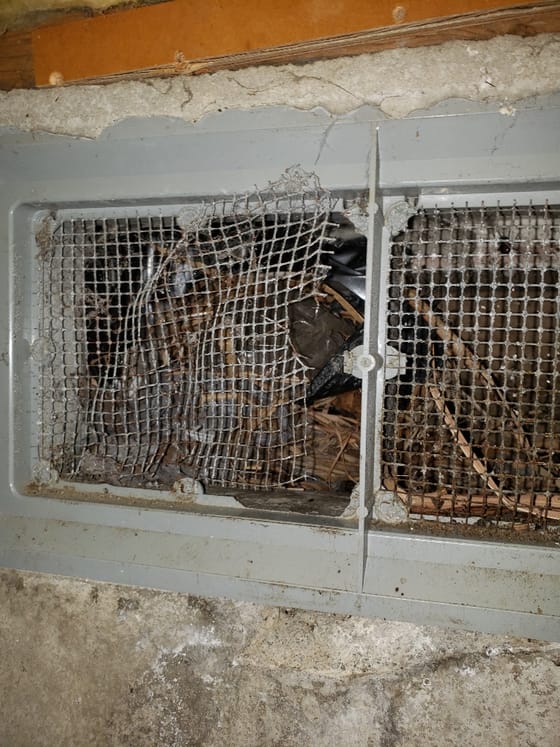
Every pest that ends up inside first crossed this zone. Walk your entire foundation and look for cracks (seal even hairline cracks with masonry sealant), gaps around utility penetrations (seal with copper mesh, hardware cloth, or caulk; use hardware cloth first for gaps over a quarter inch), and wood-to-soil contact (maintain at least 6 inches of clearance between any wood element and soil — a direct pathway for carpenter ants and termites). Fit foundation vents and weep holes with quarter-inch hardware cloth to keep rodents out while maintaining airflow.
Vegetation management
The single most overlooked prevention strategy. Tree branches touching the roofline are rodent highways — trim to at least 3 feet of clearance, and 6 is better. Keep shrubs and plantings 12 to 18 inches off the foundation. Replace dense ground cover within 12 inches of the foundation with gravel or bare soil. Store firewood at least 20 feet from the home, off the ground, and covered on top — a wood pile against your foundation is a rodent apartment building.
Gutters and drainage
In our rainy climate, gutter management isn’t optional. Clean gutters at least twice a year, and more often in heavily treed areas. Ensure downspouts discharge 4 to 6 feet from the foundation, and grade soil to slope away from the house at least 6 inches over the first 10 feet. Clogged gutters overflow against the foundation and hold standing water, which is exactly the condition damp-loving insects and mosquitoes exploit.
The crawl space
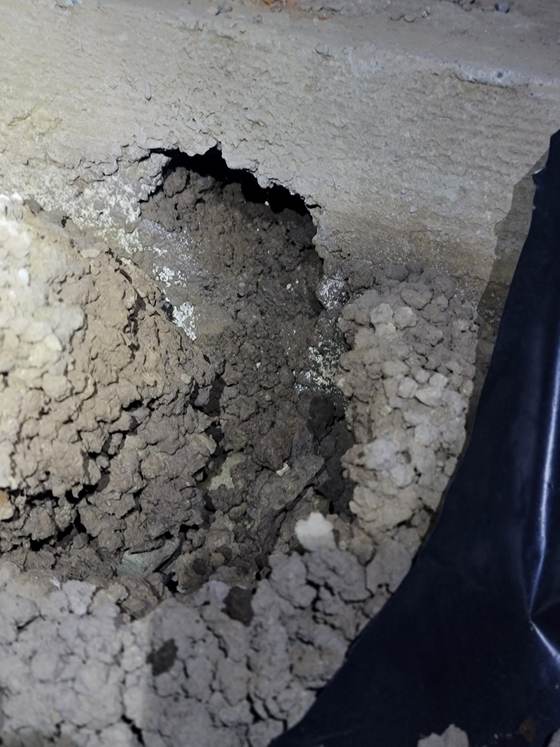
Much of Bellingham’s housing has a crawl space, and it’s the origin point for a disproportionate share of regional pest problems. Install a continuous vapor barrier (6-mil minimum, heavier is better) covering the entire floor, extending up the walls, with seams overlapped 12 inches and taped. Keep vent screens in good repair. Check structural wood for moisture damage, carpenter ant frass, the small hard fecal pellets dampwood termites push out, and rot — mud tubes are a subterranean termite sign, and that species is uncommon in Whatcom County. Look annually for rodent droppings, nesting material, gnaw marks, and burrows through the vapor barrier. If you can’t get under there safely yourself, having a professional come out and go through it is the most reliable way to know what condition it’s in.
The roofline and attic
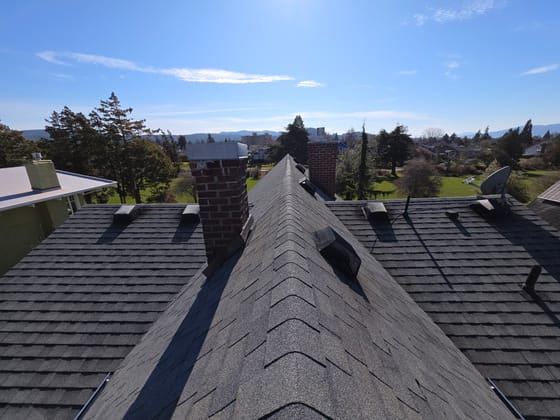
The most overlooked entry zone. Check soffits and fascia and repair deteriorated boards, screen all roof vents with hardware cloth, install a spark-arresting chimney cap, and seal gaps in flashing and at the roof edge. Look through the attic annually for droppings, gnaw marks on wiring, and moisture damage from leaks.
Doors, windows, and entry points
Every exterior door needs a functional door sweep — even a quarter-inch gap admits mice and many insects. Check caulk and weatherstripping around doors and windows annually. Address garage door bottom seals, which deteriorate, and keep the garage-to-house door sealed and closed. Repair torn window screens.
Kitchen, bathrooms, and interior moisture
Store dry goods in airtight containers, because cardboard and paper aren’t pest-proof. Use tight-lidded garbage cans and empty kitchen trash every two or three days. Don’t leave pet food out overnight — it’s one of the most consistent rodent and roach attractants. Fix plumbing leaks and pipe condensation promptly, keep under-sink areas clean and sealed, and clean drains with an enzymatic cleaner to remove the organic buildup that feeds drain flies and roaches.
The garage
One of the most pest-vulnerable and overlooked areas. Reduce clutter — cardboard is nesting material, food, and shelter at once, so use sealed plastic bins instead. Seal and keep closed the door to the living space. Store pet food, birdseed, and grass seed in sealed metal or heavy-duty plastic containers.
Seasonal pest prevention calendar for the Pacific Northwest
- Jan–Feb: Check the crawl space for rodent evidence; check foundation vent screens; confirm door sweeps.
- Mar–Apr: Check the foundation for winter damage; clear perimeter debris; trim vegetation; clean gutters; check soffits and fascia; book a spring service visit.
- May–Jun: Address standing water around the property; check exterior wood for ant and bee activity; monitor eaves for wasp nests; check the crawl space vapor barrier.
- Jul–Aug: Monitor for wasp nests weekly; maintain vegetation; check door sweeps and screens; address summer moisture intrusion.
- Sep–Oct: Priority rodent exclusion window — seal all entry points before fall pressure peaks; clean gutters; relocate firewood.
- Nov–Dec: Final gutter cleaning; check the attic for rodent activity; confirm the vapor barrier is intact; book a pre-winter service visit.
Where a professional fits
Working through this guide will meaningfully reduce pest pressure on its own. What a professional adds is time in the places most homeowners never go, and familiarity with the specific vulnerabilities of Whatcom County housing stock. We will come out and take a look, talk you through what we would do and why, and leave you with a plan — no obligation, no contracts, and no pressure. Sasquatch Pest Control serves Bellingham, Ferndale, Lynden, Blaine, Burlington, Mount Vernon, Sedro-Woolley, and the rest of Whatcom County.
Common questions
What is the single most important pest prevention step for a Bellingham homeowner?
Moisture management: crawl space conditions, gutter function, and drainage around the foundation. Our wet climate makes moisture the amplifier of virtually every significant pest problem, so a dry, well-sealed crawl space with proper drainage removes the conditions that drive most infestations before they ever start.
How often should a home here get looked at by a professional?
Once a year is a reasonable baseline for a typical Bellingham home, ideally in early spring. Homes with a history of rodent, carpenter ant, or termite pressure do better with a spring and a fall visit, because those are the two windows when conditions change fastest and small problems are still small.
Is DIY pest prevention effective?
Yes, for prevention. The strategies here are genuinely effective and don’t require professional service. DIY falls short at spotting subtle vulnerabilities, treating established infestations, and safely accessing crawl spaces, attics, and rooflines. Prevention is DIY-friendly; treatment usually isn’t.
What attracts carpenter ants to a Pacific Northwest home?
Moisture-damaged wood. Carpenter ants don’t eat wood — they excavate it, and strongly prefer wood softened by moisture. UC IPM’s carpenter ant pages put it the same way: the ants excavate rather than consume the wood, and their galleries usually begin where water or decay has already damaged it. A dry, sound crawl space with no wood-to-soil contact is dramatically less attractive to them.
How do I keep rodents out of my home?
Exclusion — sealing entry points — is the part of the job that actually lasts. Traps and bait bring a population down; sealing is what stops the next one from walking in the same way. Someone who does this regularly will find gaps that are easy to walk past, particularly at the roofline, around utility penetrations, and under siding at grade.
Should I use pest prevention products myself?
Focus your DIY energy on the non-chemical strategies in this guide. Consumer pesticide products are generally less effective, shorter-lived, and can create health risks or resistance if misused. Leave treatment to professional service.
Originally published on our previous website at
/pest-prevention-guide-pacific-northwest/. Brought across August 31, 2026, with the text
left as it was written apart from corrections to anything that is no longer
accurate.
Related posts
- Pest Trends in Whatcom County: Year in Review and What's Coming Next
- The Importance of Preventative Pest Control Services
- Rats vs Mice: How to Tell Which Rodent You Have in Bellingham
- 10 Entry Points Rodents Use to Get Into Bellingham Homes
- The Ultimate Guide to Rodent-Proofing Your Bellingham Home Before Winter
- Defending Against Stink Bugs
Pest problem in Whatcom County?
Family-owned, no long-term contracts, and every treatment is backed by our 100% Service Guarantee.
Most calls in Whatcom County are out within 1–2 days, about 3 during the late-summer peak.
Last updated