Yellow Jackets: How Sasquatch Pest Control Can Help
Call 360-410-2199 Request a free inspection
As summer arrives in Bellingham and throughout Whatcom County, so do the dreaded yellow jackets. These aggressive wasps can quickly turn a backyard barbecue or outdoor gathering into a painful encounter. While they play a role in controlling other insect populations, their territorial nature and painful stings make them unwelcome guests around homes and businesses. At Sasquatch Pest Control, we work on finding and treating nests early, before a colony becomes a serious problem.
What Are Yellow Jackets?
Yellow jackets are social wasps that live in large colonies, sometimes consisting of thousands of members. Unlike honeybees, which die after stinging once, yellow jackets have smooth stingers and can attack multiple times. They are particularly aggressive in late summer when their colonies reach peak numbers and food sources become scarce.
The yellow jackets you are most likely to run into in western Washington are:
- Western yellow jacket (Vespula pensylvanica) – A notorious scavenger, often found around garbage bins and picnic areas, and the usual culprit at a late-summer barbecue.
- German yellow jacket (Vespula germanica) – An introduced species that frequently builds nests inside walls and other voids.
- Aerial yellow jacket (Dolichovespula arenaria) – Builds an enclosed paper nest in a shrub, tree, or under an eave rather than in the ground.
Where Do Yellow Jackets Nest?
Yellow jackets construct their nests using chewed wood fibers mixed with saliva, creating a paper-like structure. These nests can be found:
- Underground in old rodent burrows
- In trees, shrubs, and bushes
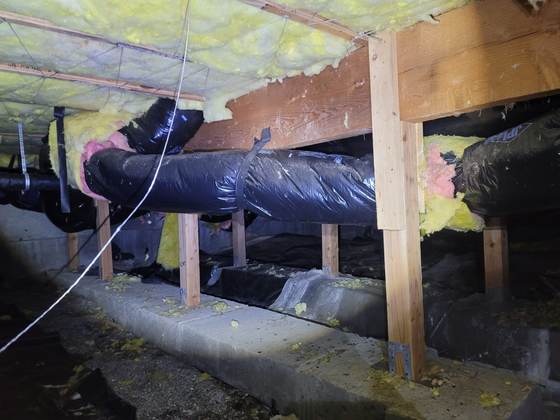
- In attics, eaves, and crawl spaces
- Under decks and porches
Each spring, a single queen starts the nest, and by late summer, it can house thousands of aggressive workers. If left unchecked, yellow jacket nests can expand rapidly, increasing the risk of painful stings for homeowners, children, and pets.
Why Are Yellow Jackets Dangerous?
Unlike honeybees, which pollinate flowers and produce honey, yellow jackets are carnivorous predators that feed on other insects, meats, and sugary foods. Their aggressive nature and ability to sting multiple times make them particularly hazardous. For those allergic to their venom, a single sting can trigger severe reactions, including anaphylaxis.
Yellow Jacket Control with Sasquatch Pest Control
The best time to deal with yellow jackets is early, while the colony is still small. Sasquatch Pest Control treats nests at the source and works on the conditions that make a property attractive to them in the first place.
How We Protect Your Property
- Treatments around the structure – We apply professional products around the home and yard to discourage yellow jackets from nesting on it.
- Nest checks and early detection – We look over the likely nesting spots and treat colonies while they are still small and manageable.
- Yard and property assessments – We identify high-risk areas and give you recommendations for cutting down the attractants.
- Safe, targeted treatments – Our products are chosen and placed to target yellow jackets without harming beneficial pollinators like honeybees.
Don’t Wait Until It’s Too Late
If you’ve noticed an increase in yellow jacket activity around your property, now is the time to act. Getting to a nest early is far easier and far safer than dealing with a mature colony in August, and our team is here to help your home stay a good deal more comfortable through the rest of the season.
Call Sasquatch Pest Control today to schedule your yellow jacket service and get ahead of the summer.
Originally published on our previous website at
/yellow-jackets/. Brought across August 31, 2026, with the text
left as it was written apart from corrections to anything that is no longer
accurate.
Related posts
- How Apartments and Rentals Should Handle Spring Pest Outbreaks in Bellingham
- Bed Bug Bites and Infestations: Understanding and Treating the Threat
- Can You Bring Bed Bugs Home for the Holidays? Travel Tips for Whatcom County Residents
- Bees vs Wasps vs Hornets: How to Tell What's Buzzing Around Your Bellingham Home
- Are Black Spiders in Washington State Dangerous? What You Need to Know
- Brown Recluse Spiders: Separating Fact From Fiction in Washington State
Pest problem in Whatcom County?
Family-owned, no long-term contracts, and every treatment is backed by our 100% Service Guarantee.
Most calls in Whatcom County are out within 1–2 days, about 3 during the late-summer peak.
Last updated