
What Is Rodent Exclusion — And Why Traps Alone Won't Solve Your Problem
Call 360-410-2199 Request a free inspection
Rodent exclusion is the practice of finding every gap, crack, and opening that rodents use to enter your home and sealing those openings with materials they cannot chew through. It is the part of the work that addresses the source, rather than managing the symptoms indefinitely. If you have been setting traps, catching mice or rats, and then catching more, this guide is for you. Traps are a tool. Exclusion is what keeps the next one out.
What is rodent exclusion, exactly?
Rodent exclusion is a two-part process. First, a systematic look over the entire structure to identify every point where rodents are entering or could enter. Second, the physical sealing of those openings with materials that rodents cannot gnaw, squeeze, or force their way through.
The term comes from the idea of excluding rodents from the building — shutting them out, rather than reacting after they have already moved in. It is fundamentally different from reactive trapping or rodenticide programs, which only deal with rodents that are already inside. In the pest control industry, exclusion is considered best practice and is a core component of Integrated Pest Management (IPM), the approach Sasquatch Pest Control uses for every rodent job in Bellingham and Whatcom County.
Why won’t traps alone solve a rodent problem in Bellingham?
Traps remove individual rodents, but they do nothing to close the door that let those rodents in. Bellingham and Whatcom County have large, established populations of roof rats, Norway rats, and house mice. These animals are territorial: when one is removed, neighboring individuals move into the vacated territory quickly.
If your home still has open entry points, it is an available resource in a landscape full of rodents. You can trap indefinitely and never reach the end of the supply. Trapping without exclusion is like bailing water from a sinking boat without plugging the hole. It keeps you busy but does not solve the problem.
How is rodent exclusion different from pest control?
Traditional pest control, whether trapping or rodenticide, is reactive. It responds to an existing problem. Rodent exclusion is proactive and structural. It modifies the building itself to make rodent entry far harder.
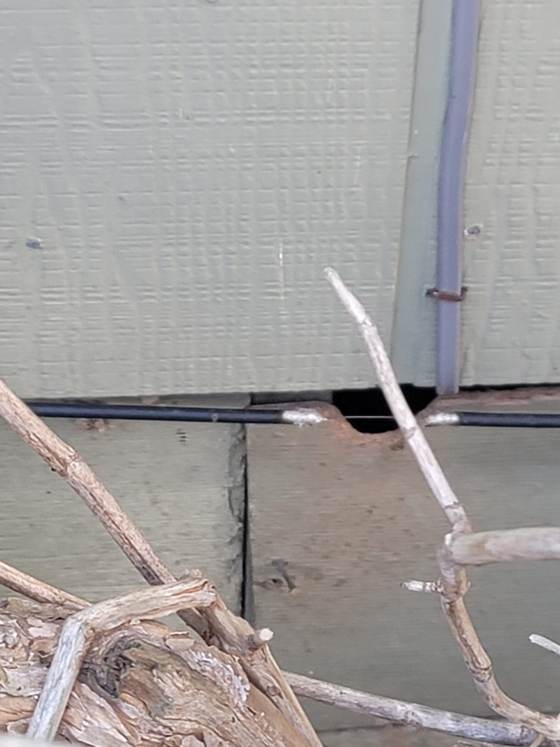
A complete program combines both: trapping to remove the current population inside the home, followed by exclusion to seal the structure against re-entry. That one-two approach is the one most likely to give a lasting result. Some companies offer trapping-only programs because exclusion takes more time, skill, and materials. We build exclusion into our rodent service from the start, because the point is to stop you having a rodent problem, not to manage one indefinitely.
What does a rodent exclusion visit cover?
A professional look over a Whatcom County home is far more thorough than most homeowners expect. Here is what we go over:
- Foundation perimeter for cracks, gaps around utility penetrations, and weep holes
- Crawl space entry points and vents, common in the area’s older pier-and-beam homes
- Garage door gaps and side seals
- All exterior door sweeps and threshold seals
- Window frames and weep holes
- Roofline: soffits, fascia junctions, and ridge and gable vents, accessed from the attic
- Roof penetrations including plumbing vent stacks and chimney flashing
- All plumbing, electrical, HVAC, and cable line penetrations, inside and out
- The attic, for active entry points and existing nesting
You get a clear record of the work performed — each opening that was sealed, where it was, and the material used to close it — described in plain language so you know exactly what was done to your home.
What materials are used in rodent exclusion?
Effective exclusion requires materials that are impervious to rodent gnawing, which rules out wood, standard caulk, and expanding foam on their own.
- Hardware cloth (galvanized steel mesh, 1/4-inch openings) for vents, larger gaps, and crawl space openings
- Sheet metal or galvanized flashing to seal roofline gaps, fascia junctions, and foundation-level openings
- Concrete or mortar to fill and seal foundation cracks
- Pipe collars or escutcheon plates to cover gaps around plumbing penetrations
- Copper mesh packed into a foam backer to fill irregular gaps before a rigid cover is applied — it does not rust or compress the way steel wool does
- Commercial-grade caulk for minor gaps in low-chew-risk areas like window frames
Expanding foam alone is never an appropriate rodent barrier. Rodents chew through it within hours. Foam serves only as a backer or air seal behind a rodent-proof cover material.
How long does rodent exclusion last?
Done correctly with the right materials, most exclusion repairs are long-lasting. Hardware cloth, steel flashing, and mortar repairs do not degrade meaningfully over a normal home’s lifespan.
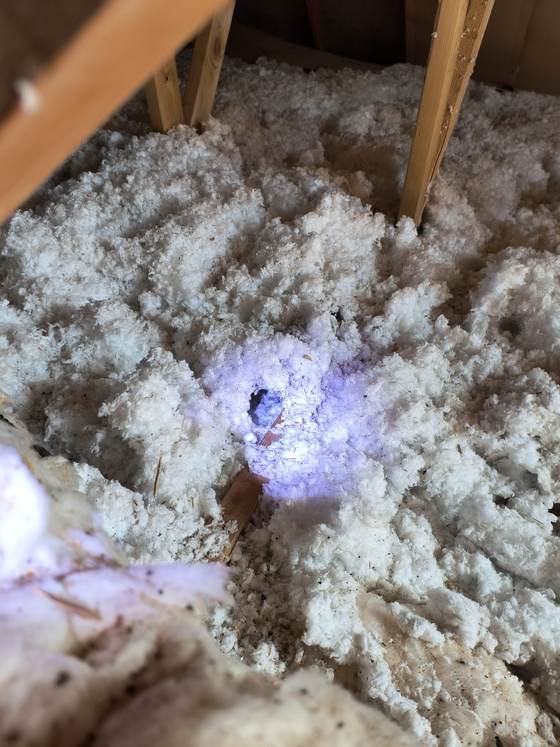
Homes change, though. Settling creates new cracks, materials age, new utility penetrations are added, and wood rot opens gaps in soffits and fascia. That is why we recommend having the exterior looked over every one to two years, to catch new vulnerabilities before they become active entry points. We offer follow-up visits and maintain service relationships with clients throughout Whatcom County.
Is rodent exclusion worth the investment?
In almost every case, yes. The damage a rodent infestation causes quickly outpaces the cost of prevention. Rodents chew electrical wiring, which is a fire hazard, and contaminate insulation with urine and droppings so that it then needs replacing. They damage structural wood, HVAC ducts, and stored belongings. Replacing attic insulation alone, after a serious roof rat infestation, is a major expense on its own.
Beyond property damage, rodents carry serious diseases, including leptospirosis, salmonellosis, and rat-bite fever, and native deer mice in this region can carry hantavirus. In a home with children or immunocompromised family members, rodent access is a genuine health risk. Treated as a one-time structural investment, exclusion is one of the more cost-effective home maintenance decisions a Whatcom County homeowner can make.
Can you do rodent exclusion yourself?
Some basic steps are reasonable DIY projects: replacing a worn door sweep, caulking a low-risk cable entry point, or installing a cover over a crawl space vent. The challenge with comprehensive DIY exclusion is thoroughness. Most homeowners seal the obvious gaps but miss several less obvious ones, and a rodent only needs one. After sealing nine of ten entry points, you still have an open-door policy for every rat and mouse in the neighborhood. Professional exclusion comes with a systematic look at the whole envelope, the right materials for each gap type, and the confidence that it was done completely.
Common questions
What is rodent exclusion?
Rodent exclusion is the practice of identifying and sealing all the gaps, cracks, and openings that rodents use to enter a building, using materials they cannot chew through. Unlike trapping, which removes rodents already inside, exclusion stops new rodents from entering in the first place. A complete program combines a thorough look over the structure, trapping to address any existing population, and sealing with the right materials for each opening.
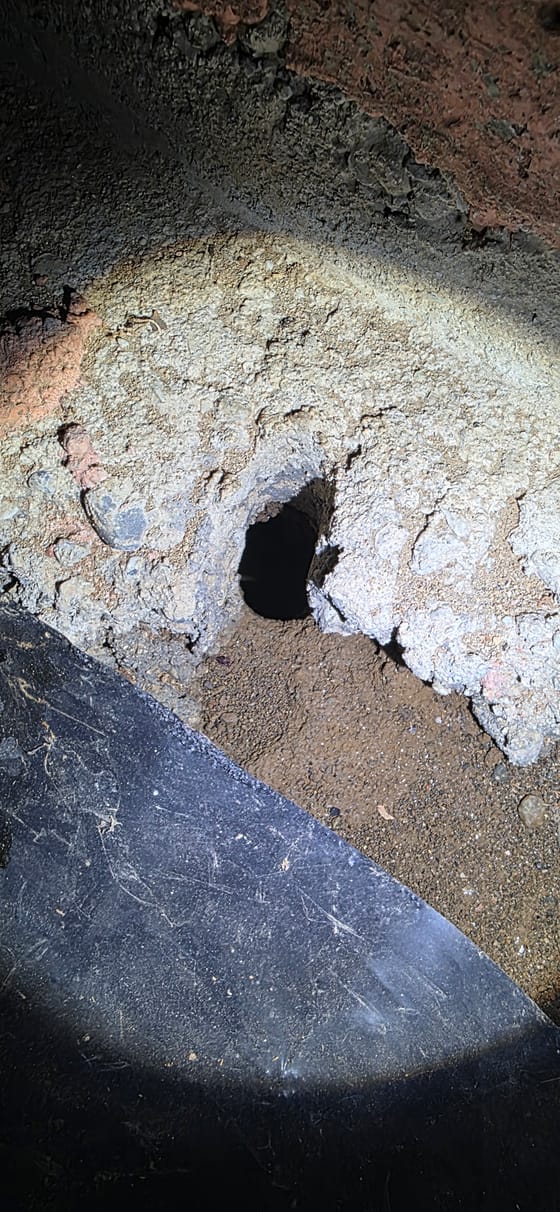
Why won’t traps alone solve a rodent problem?
Traps capture individual rodents but do nothing about the openings that let them in. If entry points stay open, new rodents replace the ones you catch. In Whatcom County, outdoor rodent populations are large and persistent, and roof rats, Norway rats, and house mice are opportunistic. The moment a territory opens up, neighboring rodents fill it. Trapping without exclusion is a maintenance cycle, not a solution.
What materials are used in rodent exclusion?
It depends on the type and location of each entry point. Hardware cloth with quarter-inch openings covers vents and crawl spaces. Sheet metal or galvanized flashing seals roofline and foundation-level gaps. Concrete or mortar handles foundation cracks. Pipe collars or copper mesh packed into foam seal plumbing penetrations. Expanding foam alone is never used as a barrier, because rodents chew through it easily; it works only as a backer behind metal or mesh.
How long does rodent exclusion last?
When done correctly, hardware cloth, sheet metal, and mortar repairs hold up for the life of the structure unless the structure itself changes. Even so, homes shift, materials age, and new gaps develop over time from settling, weathering, or pest activity. Having your exterior looked over every one to two years catches new vulnerabilities before they become active entry points.
Does rodent exclusion work for both rats and mice?
Yes, but the threshold differs by species. House mice can enter a gap as small as a quarter inch, so exclusion targeting mice must be extremely precise. Norway rats need roughly three-quarters of an inch and roof rats about half an inch. A properly executed program works to the smallest possible entry point, which covers all three. In Whatcom County, roof rats and house mice are the most common in residential exclusion work.
Is rodent exclusion worth the cost?
For most homeowners here, it is one of the highest-return investments in home maintenance. Professional exclusion typically costs a fraction of what a serious infestation costs in chewed wiring, contaminated insulation, damaged ductwork, and structural repairs. Add the health risks from diseases rodents carry, and stopping them at the door is far cheaper than dealing with an established infestation.
What is the difference between rodent exclusion and rodent proofing?
They refer to the same general concept — sealing entry points so rodents cannot get in — but the terms are used a little differently. Rodent proofing often describes building rodent resistance into a new structure during construction. Rodent exclusion typically refers to the retrofit process of finding and sealing entry points in an existing building. In practice the terms are used interchangeably, and the goal is identical: make the structure physically inaccessible to rodents.
Originally published on our previous website at
/what-is-rodent-exclusion/. Brought across August 31, 2026, with the text
left as it was written apart from corrections to anything that is no longer
accurate.
Related posts
- The Ultimate Guide to Rodent-Proofing Your Bellingham Home Before Winter
- When Do Wasps Build Nests in Bellingham, WA? (And How to Spot One Early)
- Why Ants Invade Bellingham Homes Every Spring (And How to Stop Them)
- Why Do I Have Millipedes in My Home?
- Why Earwigs Are Invading Your Home (And What to Do About It)
- Why Wood-Boring Beetle Treatment Matters After Flooding, Before New Insulation Goes In
Pest problem in Whatcom County?
Family-owned, no long-term contracts, and every treatment is backed by our 100% Service Guarantee.
Most calls in Whatcom County are out within 1–2 days, about 3 during the late-summer peak.
Last updated