
Why Wood-Boring Beetle Treatment Matters After Flooding, Before New Insulation Goes In
Call 360-410-2199 Request a free inspection
Flooding across Whatcom and Skagit Counties causes widespread water intrusion in homes — especially crawl spaces, basements, and wall cavities. While most homeowners and contractors are focused on drying, cleanup, and insulation replacement, there’s a threat that often gets overlooked:
Wood-boring beetles.
Flooding creates the conditions wood-destroying insects need
Wood-boring beetles favor moist, untreated wood. After flooding, framing members, subfloors, sill plates, and joists often hold elevated moisture long after the surfaces feel dry. That damp environment is exactly what these beetles need in order to lay eggs in the wood, and for the larvae to develop inside it.
A note on names, because it matters for what you’re actually dealing with. “Powderpost beetle” is used loosely to cover several families, and the true powderpost beetles (Lyctidae) attack hardwood sapwood — oak, ash, hickory — not the Douglas fir and hemlock that framing in this county is built from. The beetle that actually shows up in wet Pacific Northwest softwood framing and crawl space joists is the anobiid, sometimes called the furniture or deathwatch beetle. Anobiids need wood with a high moisture content, which is precisely why a flood raises the risk. Knowing which family you have determines whether treatment is even appropriate.
Once insulation is installed, an infestation can go undetected for years, quietly weakening the wood and leading to costly repairs down the road.
Why treatment should happen before insulation installation
Installing new insulation without addressing wood-destroying insects means covering up a problem you can no longer see.
A professional wood-boring beetle treatment:
- Targets beetles and larvae already present in the wood
- Helps reduce the risk of infestation in wood left damp after a flood
- Reaches exposed framing while it is still accessible
- Saves homeowners from tearing out brand-new insulation later
Once insulation is installed, access to the affected wood becomes limited or impossible without demolition.
Drying comes first
Treatment is not a substitute for drying the structure out. Wood-boring beetles and wood decay fungi are both moisture problems at heart, and neither is solved while the wood stays wet. Decay fungi in particular need wood well above the roughly 20 percent moisture content generally considered safe — serious decay takes hold as wood approaches the fiber saturation point near 30 percent. Getting framing back down and keeping it there is the foundation everything else sits on. Ventilation, a working vapor barrier, and fixing whatever let the water in are part of the same job.
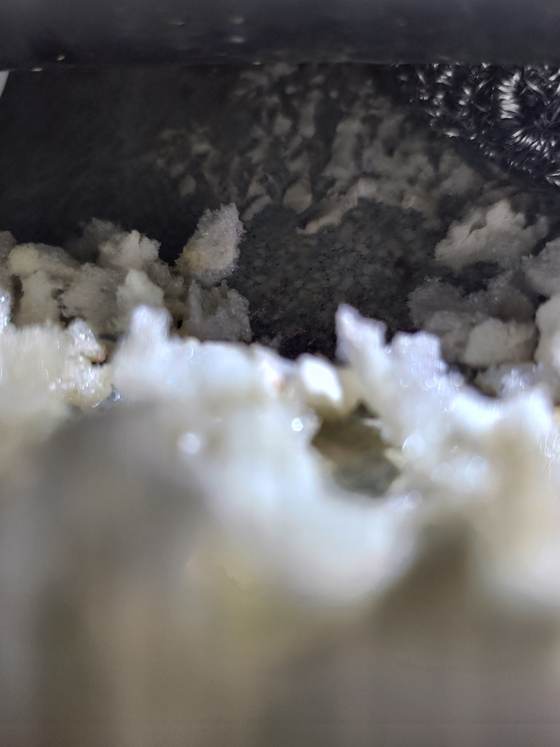
Protect your home before moving forward
At Sasquatch Pest Control, we see elevated wood-destroying insect risk in homes following a flood. Treating now — before insulation and repairs are completed — is the practical move for homeowners, builders, and restoration contractors alike.
If your home experienced flooding, standing water, or prolonged moisture exposure, have someone come out and look at the exposed framing before it gets closed up. We’ll walk you through what treatment would involve, and you’ll get a written record of any treatment we perform. Pricing depends on the property and the scope of the work, and we quote it after a visit.
No matter your pest problems, we Squatch your back.
Originally published on our previous website at
/why-powder-post-beetle-treatment-is-critical-after-flooding/. Brought across August 31, 2026, with the text
left as it was written apart from corrections to anything that is no longer
accurate.
Related posts
- Termite and Wood-Destroying Pest Control in Bellingham, WA
- Wood-Boring Beetles: A Silent Threat to Your Home
- Yellow Jackets: How Sasquatch Pest Control Can Help
- How Apartments and Rentals Should Handle Spring Pest Outbreaks in Bellingham
- Bed Bug Bites and Infestations: Understanding and Treating the Threat
- Can You Bring Bed Bugs Home for the Holidays? Travel Tips for Whatcom County Residents
Pest problem in Whatcom County?
Family-owned, no long-term contracts, and every treatment is backed by our 100% Service Guarantee.
Most calls in Whatcom County are out within 1–2 days, about 3 during the late-summer peak.
Last updated