Keeping Your Home Pest-Free in Ferndale, WA: Top Tips
Call 360-410-2199 Request a free inspection
Are you tired of unwelcome guests taking up residence in your Ferndale, WA, home? From insects to rodents, keeping a house pest-free matters for a comfortable and healthy place to live.
In this guide we cover the strategies that keep pests out of a Ferndale home. Whether you are dealing with common household pests or facing a specific infestation, the aim is to give you enough to work out what you are looking at and what to do about it — from simple preventive measures through to when the problem needs professional treatment.
Common pests in Ferndale, WA
Ferndale, like anywhere else, has its own set of common pests. Understanding them and their habits is the first step in preventing and controlling an infestation. Here are the ones you are most likely to meet:
-
Ants. Ants are a common nuisance in many homes, especially in the warmer months. They are attracted to food and water sources and can establish colonies inside a house quickly. Carpenter ants and moisture ants matter more than the rest here, because both are associated with damp or damaged wood.
-
Spiders. Most spiders are harmless, but their presence is still unsettling for a lot of people. The species you will actually find in a Ferndale house are house spiders, giant house spiders and the occasional hobo spider. Brown recluse spiders do not live in Washington at all, and black widows are a dry eastern Washington species rather than a western one.
-
Rodents. Mice and rats are not only unpleasant to live with but can cause significant damage. They chew through wiring, insulation and structural elements, which turns into an expensive repair.
-
Cockroaches. Cockroaches are resilient and survive in a range of environments. They contaminate food and surfaces, spreading bacteria and triggering allergies.
-
Termites and wood-destroying pests. Dampwood and subterranean termites, carpenter ants and wood-boring beetles work through the wooden structure of a house quietly. Catching them early is what limits the damage.
Getting familiar with these gives you a much better chance of spotting a problem early and doing something about it before it spreads.
The dangers of pests in your home
Pests are not only a nuisance; they carry real risks to health and property. Understanding those risks is what makes prevention worth the effort.
-
Health risks. A number of pests carry and transmit disease. Rodents are associated with hantavirus, and cockroaches with salmonella and E. coli. Exposure to the animals and their droppings causes health problems, particularly for people with allergies or compromised immune systems.
-
Property damage. Termites, rodents and carpenter ants damage a home’s structure. They weaken wooden elements, chew through electrical wiring and compromise insulation. Ignoring the problem means a larger repair later and a worse position at sale.
-
Food contamination. Pests contaminate food and the surfaces around it. Cockroaches, rodents and pantry pests leave droppings, shed skin and bacteria behind them, which is a straightforward risk to the household.
-
Allergies and asthma. Dust mites and cockroaches are well-established triggers for allergies and asthma. Their droppings, shed skin and body parts become airborne and cause respiratory problems, especially for people with existing conditions.
Preventing pests in Ferndale, WA
Prevention is the part that does the most work. A few straightforward habits cut the chances of an infestation considerably.
-
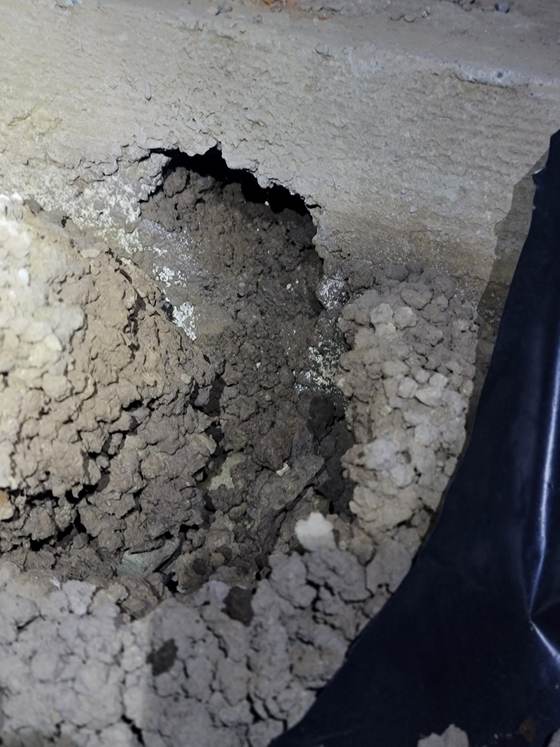
Seal entry points. Go over the outside of the house for cracks, gaps and openings a pest could use. Seal them with caulk or weatherstripping. Rodents need a surprisingly small gap.
-
Eliminate food and water sources. Pests are looking for both. Store food in airtight containers, clean up spills promptly, and fix leaks or plumbing problems that leave standing water behind.
-
Keep a clean and clutter-free home. Clean regularly, paying attention to the places pests hide — behind appliances, inside cabinets, under sinks. Clutter gives them cover, so reducing it helps.
-
Manage waste properly. Take the trash out regularly into sealed containers, and keep outdoor bins away from the walls of the house.
-
Maintain the yard. Trim vegetation back from the exterior, because overhanging branches and shrubs against a wall act as bridges. Keep the lawn maintained and remove standing water.
None of this makes a house pest-proof, but it makes it a much less appealing place to move into.
Identifying signs of an infestation
Despite your best efforts, pests may still get in. Recognizing the signs early is what keeps a small problem small.
-
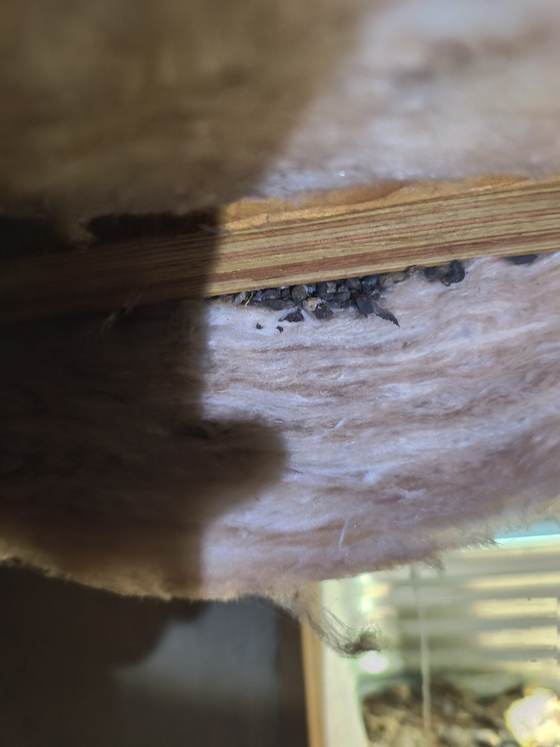
Droppings. Droppings in the house, particularly where food is stored or in the places pests hide, are usually the first hard evidence.
-
Gnaw marks. Rodents chew constantly. Gnaw marks on furniture, walls or electrical wiring point straight at them.
-
Strange noises. Scratching, scurrying or squeaking from the walls or ceiling, most often at night, generally means rodents.
-
Unusual odors. A strong, musty odor with no obvious source can indicate rodents or cockroaches.
-
Visible damage. Damage to furniture, fabrics or structural elements — wood that sounds hollow, sawdust below trim, soft timber around a sill — points to a wood-destroying pest.
If you notice any of these, act on it rather than waiting to see whether it gets worse. It generally does.
DIY pest control methods
Some infestations need professional treatment, but there are several things worth trying on a minor problem.
-
Natural repellents. Essential oils and herbs deter some pests. Peppermint oil puts ants off a trail, and cedar deters clothes moths.
-
Traps. Traps catch rodents and some insects. There are several types, including snap traps, glue traps and catch-and-release traps.
-
Home remedies. A vinegar and water solution wipes out the pheromone trail ants follow, which is why it works on a kitchen counter. Soapy water deals with aphids on plants.
-
Proper sanitation. A clean house is a genuine deterrent. Clear food crumbs, fix leaks and keep bins sealed.
-
Physical barriers. Screens on windows and doors keep insects out. Sealing cracks and gaps in the foundation or walls denies pests access in the first place.
These help with a minor problem. They are unlikely to resolve a serious infestation, and in that case a professional is the better call.
When to hire a professional
There are situations where a DIY approach will not get there:
-
Severe infestations. A large infestation, or several pests at once, needs the equipment and the products a professional carries.
-
Health risks. Where the pests present a health risk — rodents in a kitchen, a cockroach population in a food area — treatment is better left to somebody who can handle it safely.
-
Structural damage. Termites and carpenter ants damaging the structure need professional treatment. This is the case where waiting is most expensive.
-
Recurring infestations. If you have tried and the pests keep coming back, the underlying cause has not been dealt with. That usually means a moisture problem, an entry point or a harborage nobody has found yet.
-
Time and convenience. A professional has the knowledge, experience and equipment to deal with the problem without you spending your weekends on it.
When hiring in Ferndale, check the company is licensed and insured, ask people you know, and get a detailed quote before any work is scheduled.
Choosing a pest control company
A few things worth weighing up:
-
Experience and expertise. Look for a track record, and specifically for experience with local pests. A plan written for a different climate does not transfer well.
-
Certifications and licenses. Confirm the company and its technicians are licensed to do pest control work in Washington.
-
Methods and products used. Ask what is being applied and why. A company that prioritizes safety and uses targeted, lower-impact options where they work is doing the job properly.
-
Reputation. Ask around locally and read what customers say. Recurring themes in feedback tell you more than any single review.
-
Retreat policy and follow-up. Ask what happens if the pests come back between scheduled visits — whether follow-up visits are included, and how retreats are handled. Get the answer before you sign anything.
Eco-friendly options
If the environmental impact of pest control concerns you, there are approaches that prioritize natural, lower-toxicity and more sustainable methods.
-
Integrated Pest Management (IPM). IPM combines prevention, monitoring and targeted treatment. It minimizes pesticide use and focuses on managing the conditions that let a pest population establish, which is why it holds up better over time.
-
Biological controls. Natural predators, parasites or pathogens control some pests. Introducing ladybugs to deal with aphids in a garden is the familiar example.
-
Botanical insecticides. Derived from plant extracts, these are a lower impact alternative to synthetic products for some jobs. Neem oil against aphids and spider mites is one.
-
Traps and barriers. Physical traps and barriers capture or deter pests without chemicals. Sticky traps, pheromone traps and netting all fall here.
-
Proper waste management. Composting and recycling handled properly make a property less attractive to pests in the first place.
If this matters to you, say so when you call. It shapes what gets used and where.
Keeping a Ferndale home pest-free
Keeping a Ferndale home pest-free is a combination of prevention, early detection and the right treatment when it is needed. Get familiar with the pests common here and the risks they bring. Seal the entry points, cut the food and water sources, and stay alert to the early signs.
For a minor problem, the DIY methods above are worth trying. For a severe or recurring infestation, or anything involving structural damage or a health risk, bring in a professional. Choose a company that is licensed, works locally and will tell you plainly what it intends to do.
Take that approach and a Ferndale house stays a comfortable, healthy place to live rather than somewhere you are sharing with something else.
Originally published on our previous website at
/keeping-your-home-pest-free-in-ferndale-wa/. Brought across August 31, 2026, with the text
left as it was written apart from corrections to anything that is no longer
accurate.
Related posts
- Pest Control for Ferndale Homes and Yards
- Know Your Bees: Distinguishing Carpenter Bees from Bumblebees
- Ladybugs vs Asian Lady Beetles: Why They're Swarming Your Bellingham House
- What Bellingham Landlords and Property Managers Need to Know About Pest Control
- Why You're Seeing More Spiders in Your Bellingham Home This Fall
- Mud Dauber Wasps in Washington State
Pest problem in Whatcom County?
Family-owned, no long-term contracts, and every treatment is backed by our 100% Service Guarantee.
Most calls in Whatcom County are out within 1–2 days, about 3 during the late-summer peak.
Last updated