Bumble Bees in Washington State: Essential Pollinators and How to Safely Manage Them
Call 360-410-2199 Request a free inspection
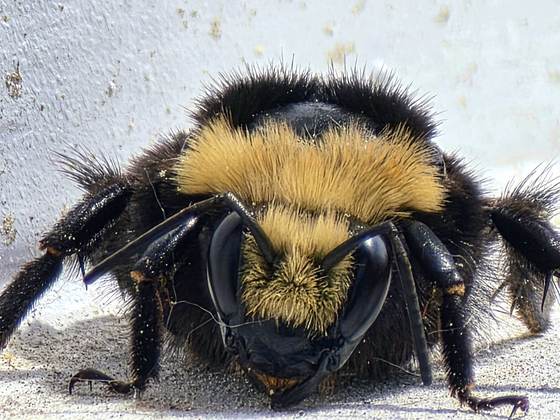
Bumble bees are part of the genus Bombus and are known for their plump, fuzzy bodies. Unlike honeybees, which live in large colonies, bumble bees tend to form smaller nests and are less aggressive unless provoked. Washington State is home to several species of bumble bees, and they can typically be found foraging for nectar and pollen from early spring through late fall.
One of the key reasons bumble bees are so important is their pollination capabilities. Bumble bees are especially effective pollinators due to their ability to perform “buzz pollination” — a technique where they vibrate their bodies to release pollen from flowers. This is particularly helpful for pollinating crops such as tomatoes, blueberries, and squash.
Are Bumble Bees Dangerous?
While bumble bees do have the ability to sting, they are generally not aggressive. Bumble bees will usually only sting in self-defense or if they feel their nest is threatened. Unlike honeybees, which die after stinging, bumble bees can sting multiple times, but they often prefer to avoid conflict.
If you see bumble bees around your yard, it’s important to remember that they are usually just busy doing their job as pollinators. However, if you notice a bumble bee nest in a high-traffic area of your property, it’s understandable to be concerned — especially if you have small children or pets.
What to Do If You Have a Bumble Bee Nest
If you discover a bumble bee nest in your garden, shed, or even in the walls of your home, it’s essential to handle the situation with care. Because of their beneficial role in pollination, the best course of action is often to leave the bees undisturbed, allowing them to continue their work. Bumble bee nests are seasonal: the colony peaks in mid to late summer, then declines and dies out on its own by late fall, and the same nest is not reused the following year.
That seasonal cycle is genuinely useful, because it means the great majority of bumble bee nests solve themselves if you can give them a wide berth for a few weeks. Roping off the area, keeping the mower away from the entrance, and waiting out the season is usually the right answer.
Where a nest sits somewhere it truly cannot stay — beside a door, in a play area, or where somebody in the household has a sting allergy — call us and we will come out, look at where it is, and talk you through the options honestly. Bumble bee colonies do not transplant reliably, so we would rather tell you that up front than promise a relocation that does not work.
Tips for Preventing Bumble Bees Around Your Home
To minimize the likelihood of bumble bees nesting in undesirable areas of your property, consider these preventative measures:
- Seal Entry Points: Check for cracks or gaps around your home’s foundation, windows, and doors where bees could potentially enter and establish a nest. Seal these areas with caulking or other appropriate materials.
- Avoid Overgrown Vegetation: Bumble bees prefer to nest in undisturbed areas like tall grass, piles of leaves, or abandoned rodent burrows. Keeping your lawn trimmed and free of debris can reduce the likelihood of attracting a nest.
- Limit Access to Sheds or Garages: Keep doors and windows closed when not in use, and ensure any open gaps are sealed to prevent bees from entering and building nests inside.
Timing helps too. Queens are out looking for nest sites in early spring, so gaps closed in March and April do far more good than the same work done in July.
Bumble Bees and Environmental Responsibility
As a family-owned and operated business, Sasquatch Pest Control is dedicated to protecting both your home and the environment. We understand the importance of bumble bees to our local ecosystems, and we take a mindful approach to pest control. When dealing with beneficial insects like bumble bees, our goal is to find solutions that balance safety for your family with preservation of these essential pollinators.
Contact Sasquatch Pest Control
If you have concerns about bumble bees on your property or need help deciding what to do about a nest, give Sasquatch Pest Control a call. Our team is experienced in handling stinging insects safely, and we will tell you plainly when the honest answer is to leave a nest alone.
Originally published on our previous website at
/bumble-bees-in-washington-state/. Brought across August 31, 2026, with the text
left as it was written apart from corrections to anything that is no longer
accurate.
Related posts
- Unwanted Buzzing: How to Locate the Best Beehive Exterminator Near You
- Carpenter Ants vs Sugar Ants: What's the Difference and Which Do You Have?
- Clover Mites Invading Your Home? Here's What Bellingham Homeowners Need to Know
- Understanding and Combating Flea Infestations in Your Home
- Effective Strategies for Mouse-Proofing Your Home
- Summer Pest Control for Commercial Properties in Whatcom County
Pest problem in Whatcom County?
Family-owned, no long-term contracts, and every treatment is backed by our 100% Service Guarantee.
Most calls in Whatcom County are out within 1–2 days, about 3 during the late-summer peak.
Last updated