The Ultimate Guide to Rodent Control: How to Find the Best Pest Control Services Near You
Call 360-410-2199 Request a free inspection
The Importance of Rodent Control
Rodent control protects your home and your family’s safety. These pests cause significant property damage by chewing through electrical wires, insulation, and wooden structures, leading to costly repairs. Rodents also carry diseases and contaminate food and living spaces through their droppings and urine.
Signs of a Rodent Infestation
Early detection is crucial for effective control. Watch for:
- Droppings: small, pellet-like droppings near food sources or travel paths
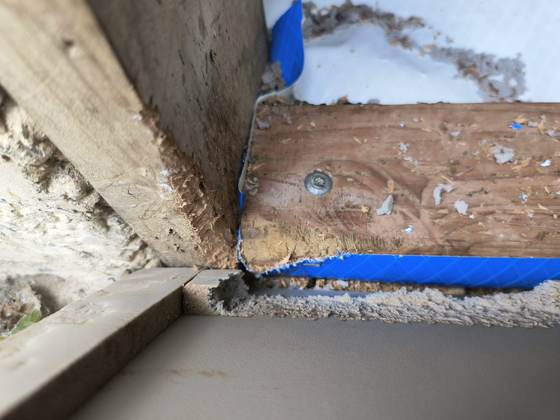
- Gnaw marks: damage to wood, plastic, and electrical wiring from constantly growing teeth
- Nesting materials: shredded paper, fabric, and insulation in hidden areas like attics and basements
- Strange noises: scratching, scurrying, or squeaking sounds at night
- Visible tracks: footprints or tail marks on dusty surfaces
- Unpleasant odors: a distinct musky smell in certain areas
The Dangers of Rodents in Your Home
Rodent infestations create multiple hazards:
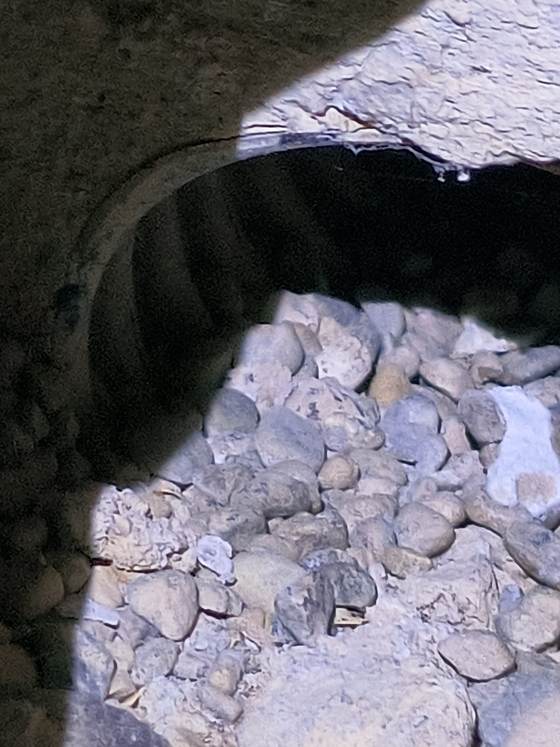
- Structural damage: gnawing damages wiring and wooden structures, creating fire hazards
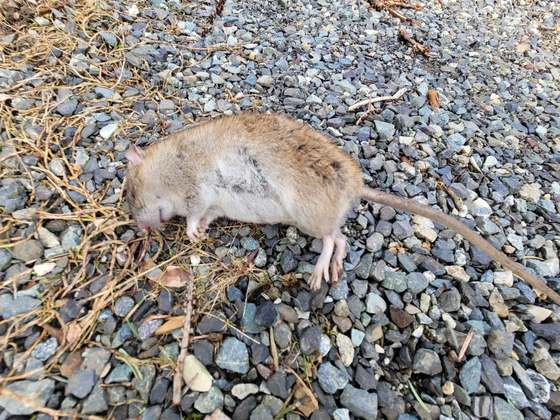
- Contamination: droppings, urine, and fur spread bacteria and trigger allergies
- Health risks: rats and house mice are associated with salmonellosis, leptospirosis, and rat-bite fever. Hantavirus is a separate concern carried in this region by native deer mice rather than by house mice or rats, which matters when you’re cleaning up activity in an outbuilding, garage, or crawl space
- Reproduction: high reproductive rates mean small infestations quickly escalate
- Damage to belongings: chewing destroys clothing, furniture, and documents
DIY Rodent Control Methods
For minor infestations, consider these approaches:
- Seal entry points: use hardware cloth or copper mesh backed with caulk on gaps and cracks. Wood, foam, and caulk alone get chewed through
- Eliminate food sources: store food in airtight containers and secure garbage bins
- Set traps: snap traps in high-activity areas are the most reliable DIY tool
- Be skeptical of repellents: peppermint oil, ammonia, and similar remedies are widely recommended and rarely move an established population. Mothballs in particular should never be used this way — they are registered only for use in sealed containers with fabrics, and scattering them around a home is both ineffective and a misuse of the product
DIY methods may knock the numbers down, but they rarely provide a long-term result once an infestation is established, because they don’t close the way in.
Hiring Professional Pest Control Services
When infestations become unmanageable, professional services offer expertise and specialized tools. Consider these factors:
- Experience and expertise: check that the company and its technicians are licensed in Washington for the work they’re doing
- Methods and products: ask what they apply, where, and what the lower-impact options are
- Reputation: look at how the company handles problems, not just how it advertises
- Scope and follow-up: compare quotes on what is actually included — trapping, exclusion, and return visits — rather than on headline price alone
Factors to Consider When Choosing a Pest Control Company
Ask these questions:
- What is your approach to rodent control, and does it include exclusion?
- What products do you use, and where will they be placed?
- Are your technicians licensed and trained?
- How many follow-up visits are included, and what happens if activity continues?
- Can you provide references?
What Drives the Cost of Rodent Control
There is no single figure, because the work isn’t the same from one house to the next. The things that move the price are the size of the structure, how many entry points there are and how hard they are to reach, whether a crawl space or roofline is involved, how established the population is, and how much trapping and how many return visits it takes to get on top of it. Any honest quote comes after someone has been out and seen the property. Get more than one, and compare what each covers rather than the number on its own.
Preventing Future Rodent Infestations
Once the current population is dealt with:
- Seal entry points: check regularly for new cracks and gaps
- Keep a clean environment: remove spills and clutter and maintain sanitation
- Store food properly: use airtight containers for dry goods and pet food
- Regular maintenance: walk the exterior periodically to catch problems early
- Landscaping and vegetation: trim branches back from the roofline and remove debris that provides hiding spots
Conclusion
Dealing with rodents requires swift action and the right resources. Whether through DIY methods or professional pest control, addressing an infestation promptly protects your home and your family. Combine that with the preventive measures above and you make your property a much harder target the next time rodents come looking for somewhere warm.
Originally published on our previous website at
/the-ultimate-guide-to-rodent-control-how-to-find-the-best-pest-control-services-near-you/. Brought across August 31, 2026, with the text
left as it was written apart from corrections to anything that is no longer
accurate.
Related posts
- Effective Strategies for Mouse-Proofing Your Home
- Fall Rodent Prevention: How to Squatch-Proof Your Bellingham Home Before Winter
- Rats vs Mice: How to Tell Which Rodent You Have in Bellingham
- The Vital Role of Proper Pest Control in Bow, WA
- Tiny Black Spiders in Washington State: What You Need to Know
- Understanding Bed Bugs: Identification, Bites, and Prevention
Pest problem in Whatcom County?
Family-owned, no long-term contracts, and every treatment is backed by our 100% Service Guarantee.
Most calls in Whatcom County are out within 1–2 days, about 3 during the late-summer peak.
Last updated