What Pests Are Common in Bellingham, WA? A Complete Seasonal Guide
Call 360-410-2199 Request a free inspection
If you live in Bellingham, Washington, you already know the Pacific Northwest is one of the most beautiful places on Earth. What the tourism brochures leave out is that the same mild, wet climate that makes Whatcom County so livable for people makes it extraordinarily hospitable for pests. The question we get asked more than almost any other is simple: which pests should you actually be worried about in Bellingham? This guide answers that, organized by season, so you know what’s coming, when, and what to do about it.
Why Bellingham’s climate creates unique pest pressure
Bellingham sits in a maritime climate zone: mild, wet winters, warm summers, and consistent rainfall. Those conditions do three things that matter for pest control. First, they keep pest populations active longer — the ground rarely freezes deeply enough to kill off rodent burrows, ant colonies, or overwintering insects, so pests don’t truly go away in winter, they go quiet and find shelter, often in your home. Second, the moisture creates ideal conditions for wood-destroying organisms like termites and carpenter ants, especially in older homes. Third, our forested surroundings mean constant pest pressure at the perimeter, since neighborhoods back up to greenbelts and undeveloped land.
Winter pests in Bellingham (December to February)
Winter is prime time for one pest category above all: rodents.
Rats and mice
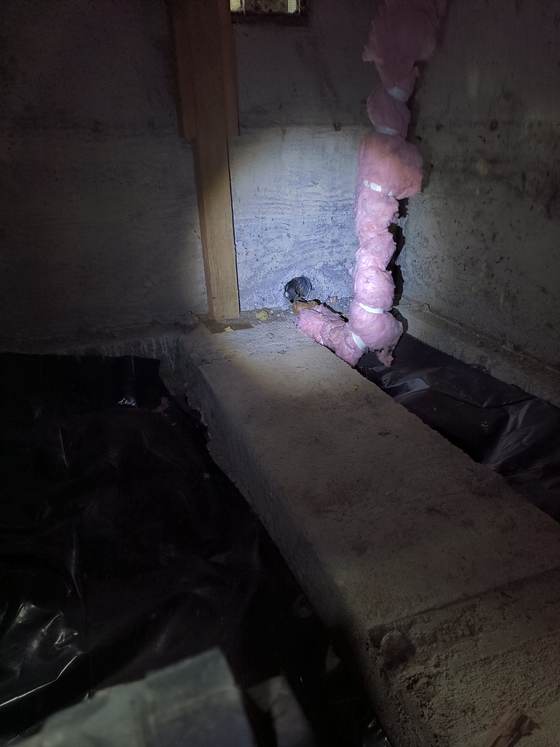
Norway rats and house mice are the dominant rodent species in Whatcom County. As temperatures drop, they seek warmth, food, and nesting sites, and homes are the perfect candidate. A mouse squeezes through about a quarter of an inch, which is the width of a pencil; a rat is given slightly more than half an inch, and an adult Norway rat closer to the 0.750-inch width of a penny. Coins make poor references here — a dime is 0.705 inches and a quarter is 0.955 — so use the pencil, and seal to a quarter inch for both, since a rat only needs that much edge to gnaw a hole up to its own size. Signs of a winter rodent problem include:
- Droppings along baseboards, in cabinets, or in crawl spaces
- Gnaw marks on food packaging, wood, or wiring
- Scratching or scurrying sounds inside walls, especially at night
- Grease marks along walls where rodents travel
- A musky, ammonia-like odor in enclosed spaces
What Sasquatch does differently: we don’t just set traps and leave. Our rodent work starts with going over the building to find every entry point, then we seal those points, address structural vulnerabilities, and set up a trapping and monitoring program. Traps alone bring numbers down temporarily; sealing the building is the part that holds.
Cockroaches
German cockroaches are a year-round presence in Bellingham, particularly in apartments, restaurants, and multi-unit housing, thriving in heated interiors regardless of outdoor temperature. If you see one, assume there are many more hiding.
Spiders
Most of Washington’s spiders overwinter as adults or eggs inside homes. Late fall and winter is when many homeowners notice more indoor spider activity. Nearly all of the spiders here are harmless to people. The hobo spider is common in the region and often blamed for serious bites, but the evidence for that reputation has not held up and it is no longer treated as a medically significant species.
Spring pests in Bellingham (March to May)
Spring is when pest activity in Bellingham genuinely explodes.
Carpenter ants
Carpenter ants are the pest that comes up most in spring. Unlike termites they don’t eat wood — they excavate it to build galleries — but the damage is structurally serious, especially in older homes with moisture damage. The western black carpenter ant is our primary species, up to three-quarters of an inch, and often mistaken for termites when they swarm. If you’re seeing large black ants indoors in spring, don’t wait: a mature colony can contain thousands of workers.
Sugar ants (odorous house ants)
The small dark ants invading kitchens each spring are usually odorous house ants, nicknamed sugar ants for their love of sweets. They trail in from exterior colonies through tiny cracks, and because a colony can have multiple queens and hundreds of thousands of workers, store-bought baits often fail.
Bees and wasps, early season
By May, overwintered yellowjacket queens are establishing new nests. This is the best time to address a wasp problem — nests are small and removal is far simpler than in August. Bees also become active; in most cases they’re not aggressive, and we look at whether a colony can be relocated rather than treated.
Termites
Spring is termite swarming season in Western Washington. Dampwood termites, our primary species, produce winged swarmers that emerge to establish new colonies. Piles of wings near windows or doors should be taken seriously. Dampwood termites require high moisture, which is why they’re so strongly tied to our wet climate and damp crawl spaces.
Summer pests in Bellingham (June to August)
Yellow jackets and hornets
By mid-summer, colonies that started with a single spring queen have grown to thousands. This is when yellowjackets become genuinely dangerous and when stinging-insect problems peak. Bald-faced hornets are also at peak population. A critical warning: never spray a nest with a consumer product and leave it in place — it agitates the colony, can drive them deeper into walls, and often fails. The nest needs to be fully removed.
Mosquitoes
Mosquito pressure peaks late June through August near standing water and low-lying areas. The lever that matters most is the breeding sites themselves: gutters, low spots in the yard, and water features that hold water for more than a few days.
Bed bugs
Bed bugs follow human travel, not seasons, and summer is peak travel and introduction season via hotels, rentals, and used furniture. They are extraordinarily difficult to clear without professional treatment; DIY approaches usually fail and scatter them.
Fleas
Flea season runs roughly June through October, peaking in July and August. If you have pets, prevention on the animal and in the home is essential — a single female flea can lay up to 50 eggs per day.
Fall pests in Bellingham (September to November)
Fall is the most underestimated pest season in Whatcom County.
Stink bugs and Asian lady beetles
The invasive brown marmorated stink bug aggregates in huge numbers on south- and west-facing walls before forcing its way inside. Asian lady beetles behave similarly and, unlike native ladybugs, can bite and leave a yellow stain. Sealing entry points in September, before they seek shelter, is far more effective than treating them once inside.
Rodents, return season
September through November is the second major rodent season, as animals scout homes for overwintering habitat. This is the most important time of year for exclusion work.
Spiders
Fall is mating season for many spiders, driving a dramatic increase in visible spiders indoors and out, especially mobile males searching for mates.
Earwigs, millipedes, and clover mites
These occasional invaders don’t breed indoors but enter in large numbers as temperatures drop. They aren’t dangerous, but heavy numbers often signal moisture or structural vulnerabilities worth addressing.
Year-round pests in Bellingham
Rodents never truly stop — established colonies remain active year-round, so ongoing monitoring matters. German cockroaches persist in multi-unit and commercial buildings regardless of season. And spiders run to hundreds of species here, with some active at any time of year.

Pest prevention: the foundation of pest control
Prevention is always more effective and less costly than treatment. The biggest vulnerability factors in Whatcom County are moisture (the single biggest driver of Northwest pest problems), entry points (gaps around pipes, foundation cracks, utility penetrations, poorly sealed doors and windows), vegetation and debris against the home, and food and water sources like unsecured garbage or pet food left outdoors.
When to call a professional in Bellingham
Call a professional when you’ve seen multiple rodents or an established colony, found carpenter ant frass indoors, have a wasp or hornet nest on your structure, suspect bed bugs, see termite swarmers or wood damage, have a problem that persists despite your efforts, or manage a rental or commercial facility. Sasquatch Pest Control will come out at no charge, with no obligation, no contracts, and no scare tactics, and give you an honest account of what you actually need.
The Sasquatch approach in Bellingham
We built Sasquatch Pest Control on honesty, expertise, and genuine care for the community — not scare tactics, unnecessary upsells, or contracts you don’t need. Every job starts with a trained technician looking at the actual building and telling you the truth about it. There are no contracts, no skip fees, and no cancellation fees, and if covered pests return between scheduled visits on an active program, we come back and re-service at no additional charge.
Common questions
What is the most common pest in Bellingham, WA?
Rodents, specifically Norway rats and house mice, are the most commonly treated pest in Bellingham and throughout Whatcom County. The region’s mild, wet conditions support year-round populations, and older residential structures with accessible crawl spaces heighten residential exposure.
Do termites live in Bellingham, WA?
Yes. Dampwood termites exist throughout Western Washington, including Bellingham. They require high moisture and are typically found in damp crawl spaces, wood contacting soil, and aged water-damaged structures. Subterranean termites also live in the area, though less commonly.
Are there dangerous spiders in Whatcom County?
Not really. The Pacific Northwest doesn’t have the concentrations of medically significant spiders found elsewhere, and black widows are rarely found west of the Cascades. The hobo spider’s reputation for causing serious bites has not survived closer study. Heavy indoor spider populations are a nuisance issue rather than a danger, and they respond well to treatment.
What time of year are wasps worst in Bellingham?
Yellowjacket and hornet colonies reach peak size in July and August, when they’re most aggressive. Activity declines after the first hard frost, which here often isn’t until October or November. Addressing nest sites in May, when queens are just establishing, is the most effective prevention.
Why do I suddenly have ants in my house in spring?
Warmer temperatures trigger foraging. The ants you see in March and April are scouts from established exterior colonies following scent trails for food and moisture. Killing visible ants with sprays rarely solves it because it doesn’t reach the colony.
What is the best way to prevent rodents in Bellingham?
Combine exclusion (sealing entry points), habitat reduction (removing food, nesting sites, and harborage around the perimeter), and monitoring. Traps are a response, not a prevention strategy. The key window is September through November, before rodents seek winter shelter.
Do I need year-round pest control in Bellingham, WA?
For most Whatcom County homeowners, ongoing management is worthwhile given year-round pressure. At minimum, a visit in early spring and early fall helps catch vulnerabilities before they become active problems. Commercial and multi-unit properties generally need scheduled service.
How do I know if I have carpenter ants or termites?
Carpenter ants are large, up to three-quarters of an inch, dark, and have a pinched waist; termite swarmers are smaller with a thick waist, straight antennae, and equal-length wings. Carpenter ants excavate wood and push out coarse frass; our local dampwood termites eat the wood and push out small, hard fecal pellets. Mud tubes are a subterranean termite sign, and that species is uncommon in Whatcom County, so pellets and soft, damp wood are the more useful things to look for here. Both need professional treatment, but the approaches differ entirely.
Originally published on our previous website at
/common-pests-bellingham-wa/. Brought across August 31, 2026, with the text
left as it was written apart from corrections to anything that is no longer
accurate.
Related posts
- Defending Lynden Homes: The Power of Pest Control Services
- Why You Shouldn't Remove a Wasp Nest Yourself in Bellingham (And What We Do Instead)
- Earwigs, Millipedes, and Clover Mites: The Weird Invaders Showing Up in Bellingham Homes
- Eco-Friendly Pest Control in Bellingham: What It Actually Means
- Eco-Friendly Pest Control in Bellingham: Keeping Your Home Safe for Kids and Pets
- Fall Rodent Prevention: How to Squatch-Proof Your Bellingham Home Before Winter
Pest problem in Whatcom County?
Family-owned, no long-term contracts, and every treatment is backed by our 100% Service Guarantee.
Most calls in Whatcom County are out within 1–2 days, about 3 during the late-summer peak.
Last updated